
Online therapy in Syracuse
Therapists in Syracuse, NY
Licensed New York therapists for Syracuse adults, by secure video. No office to drive to, no waitlist to sit on.
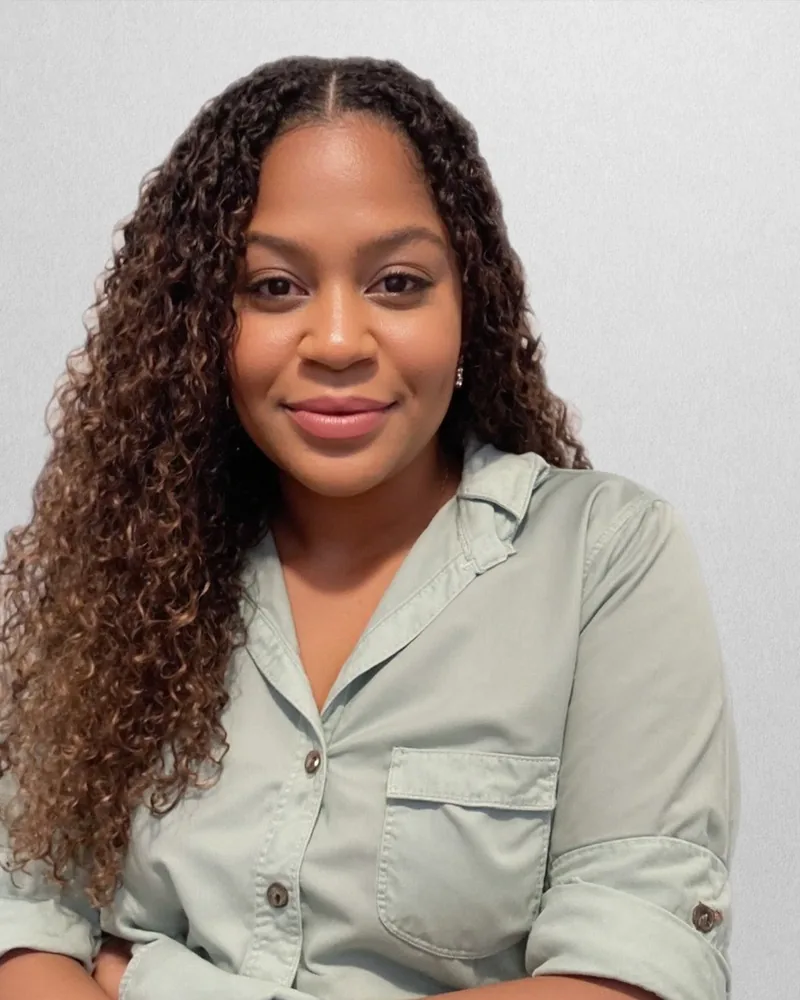
Evelyn Rivas
Psychotherapist
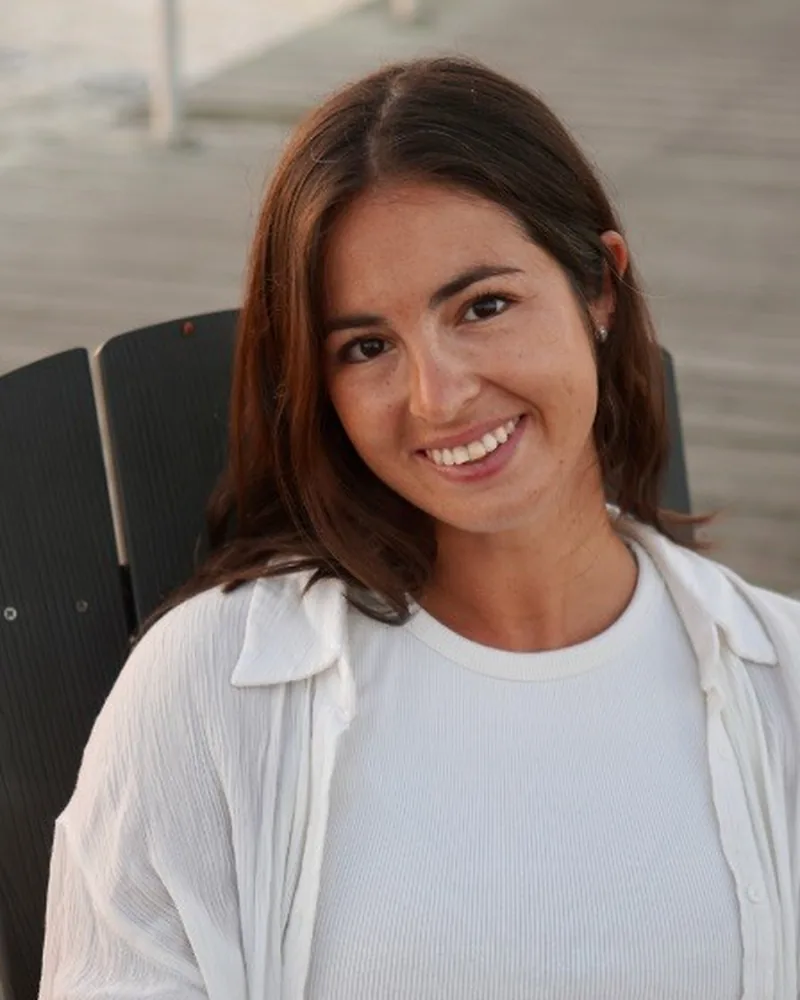
Jordyn Modelevsky
Psychotherapist

Nirja Mistry
Psychotherapist
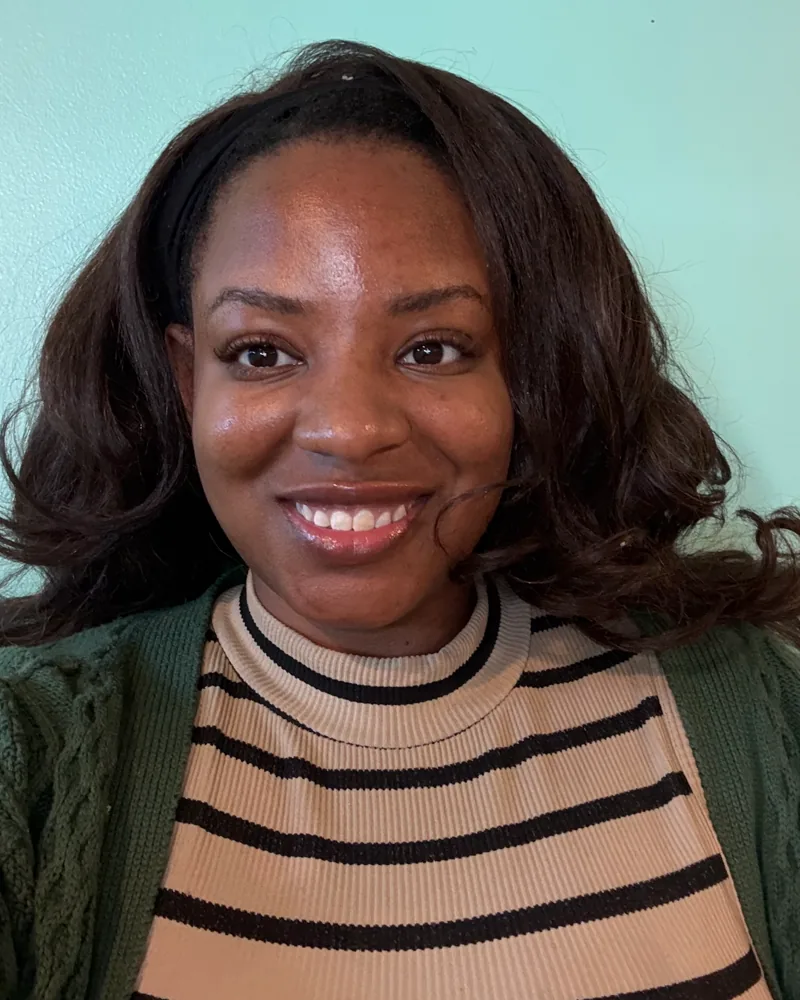
Seona King
Psychotherapist

Mira Mabed
Psychotherapist
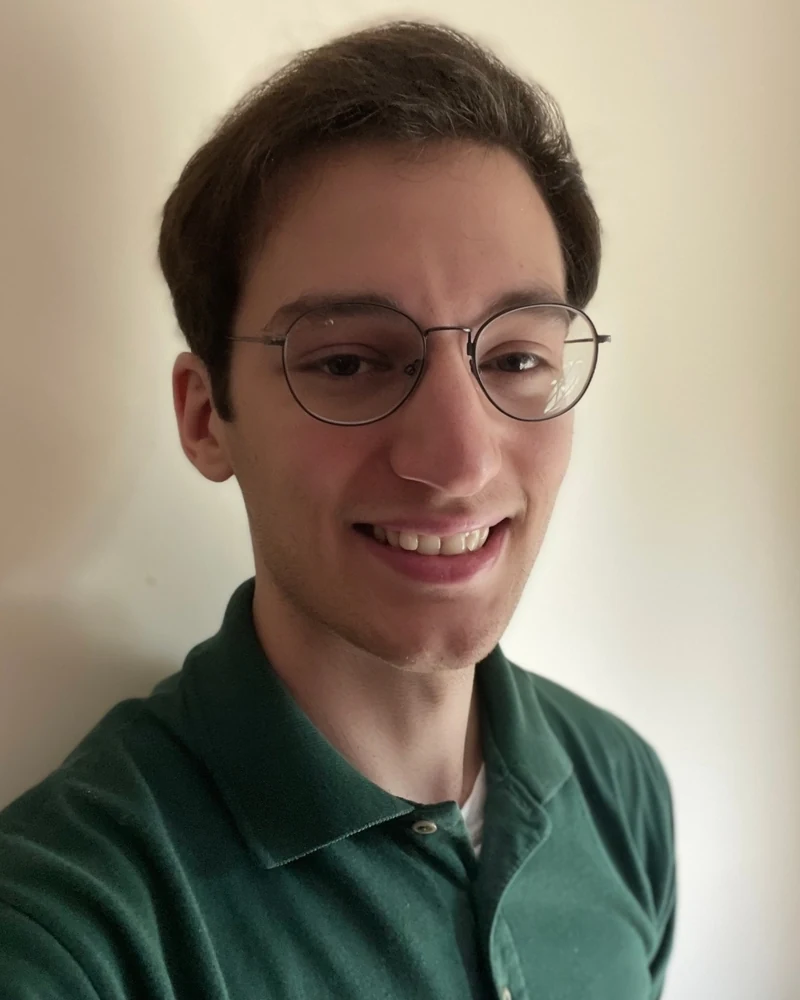
Henry Rubin
Psychotherapist
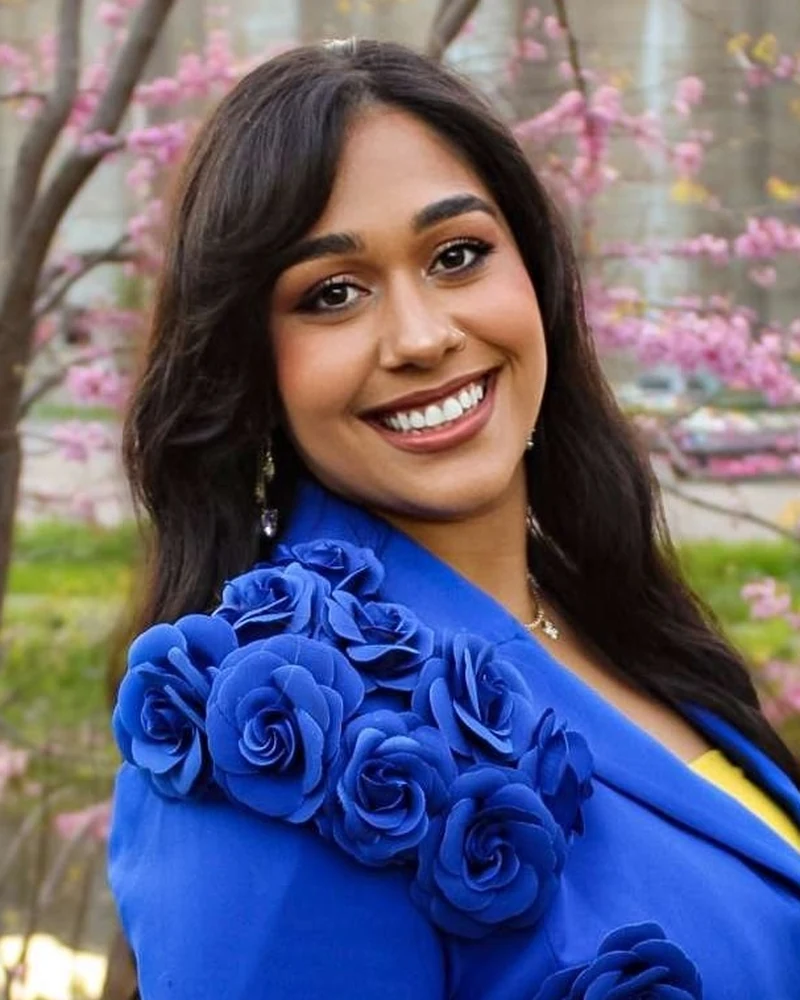
Melanie Rivera
Psychotherapist
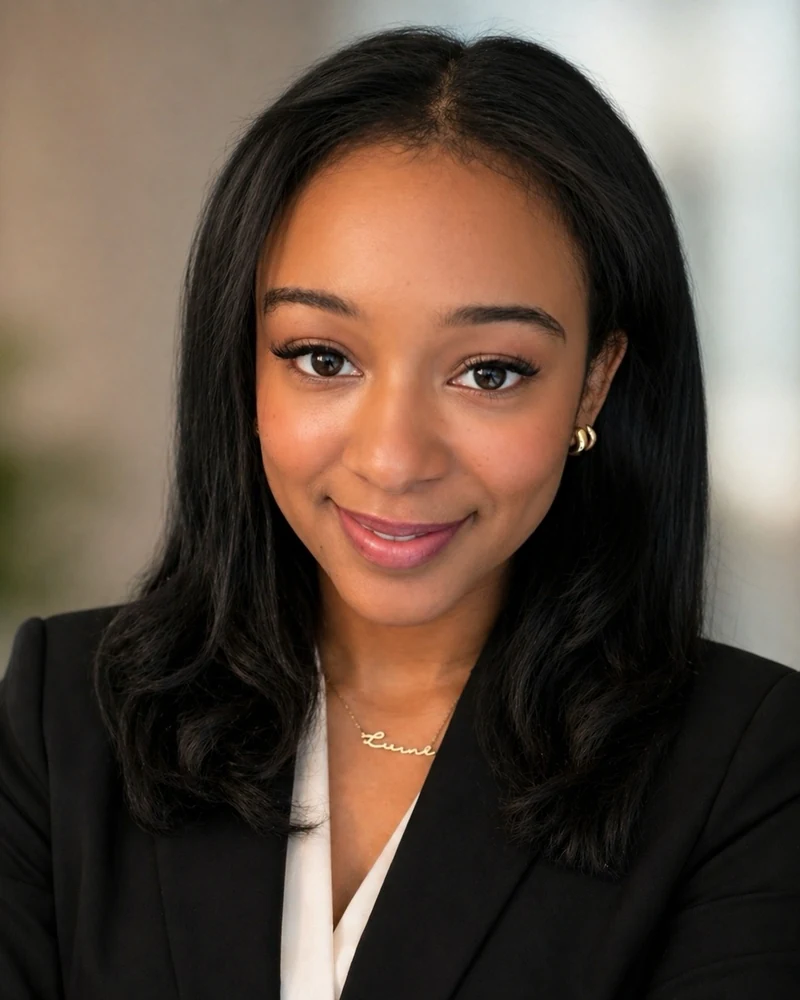
Lianna Hallett
Psychotherapist
Cory Gardner
Psychotherapist

Khadijha Zaman
Psychotherapist
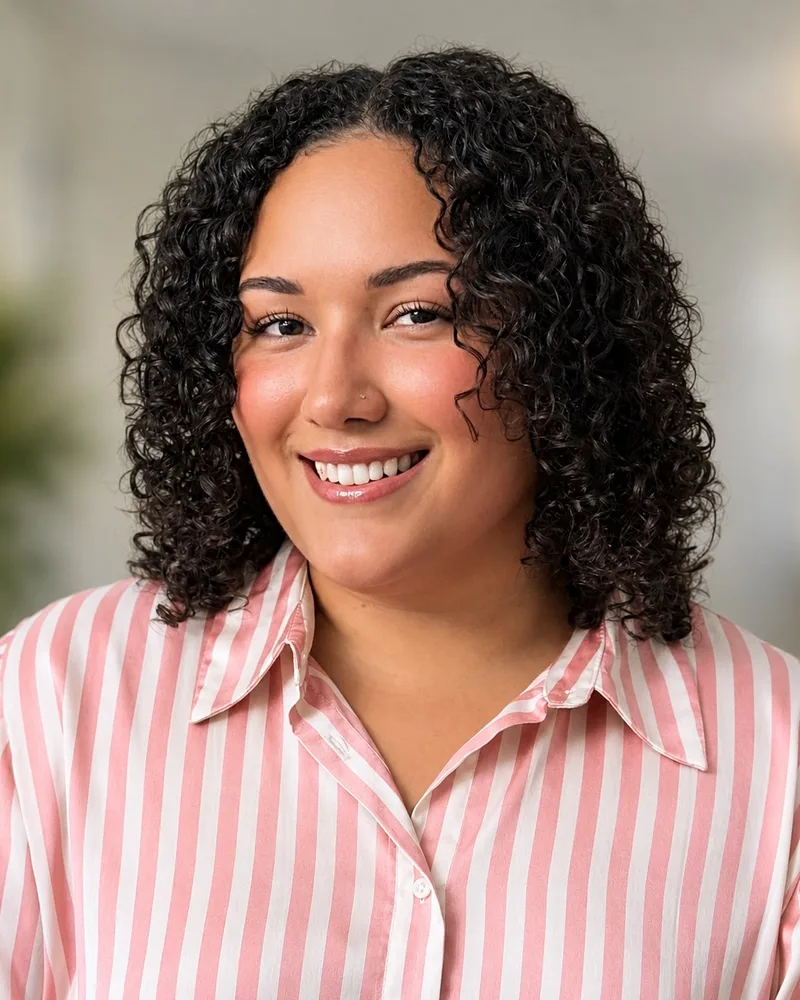
Melodie Badillo
Psychotherapist

Michelle Zak
Psychotherapist
Choose a time and send your request. It takes about 30 seconds and one short form.
In-network in Syracuse, NY
- UnitedHealthcare
- Aetna
- Medicare
- Oscar Health
- Meritain Health
- Oxford Health Plans
- Cigna
- Optum
- Highmark BCBS WNY
- Univera Healthcare
- MagnaCare
Evelyn Rivas
Psychotherapist
Jordyn Modelevsky
Psychotherapist
Nirja Mistry
Psychotherapist
Seona King
Psychotherapist
Mira Mabed
Psychotherapist
Henry Rubin
Psychotherapist
Melanie Rivera
Psychotherapist
Lianna Hallett
Psychotherapist
Cory Gardner
Psychotherapist
Khadijha Zaman
Psychotherapist
Melodie Badillo
Psychotherapist
Michelle Zak
Psychotherapist
Industry-leading, structured care
Progress measured monthly, not guessed at
We respond within one business day
Every clinician state-licensed
Why MindView
Most therapy in Syracuse has no structure. Ours has four stages and a scoreboard.
Most practices in Syracuse deliver whatever approach the therapist you happened to get was trained in. We run one format for every client, and we measure it.
- 01
Intake
What is actually going on, rated 0 to 10 as your baseline.
- 02
Your history
Why it is happening. History, relationships, work, health.
- 03
Treatment plan
Written and collaborative, built against those causes.
- 04
Monthly review
Standardized measures, reviewed with you. You see the trend.
A license is where our training starts, not where it ends.
Every clinician is state-licensed before they see a single client. Then they train with us across every modality, and how to match one to the problem in front of them.
What clients say
4.96 average from 143 reviews
- 5 out of 5 stars
MindView Therapy has great customer service and is very flexible, with good therapist availability and clear communication of any changes. Genuinely a great place for therapy with zero judgement.
Kailani M.
Verified review
- 5 out of 5 stars
The support staff was very helpful in assisting me to find the right provider. And the provider they found me is personable, a good listener, has good advice, and appears to be quite knowledgeable. I'm very happy with my decision to go with MindView.
Kevin R.
Verified review
- 5 out of 5 stars
I truly felt seen, heard and understood by my therapist. Goals and next step expectations were clearly explained for processing.
Diane S.
Verified review
- 5 out of 5 stars
I had a great onboarding experience with MindView. My therapist took the time to do a really thorough intake, which I appreciated, and the staff keeps communication clear and consistent. Plus, they handled my insurance verification hassle free.
Jennifer P.
Verified review
- 5 out of 5 stars
I'm new to this therapy place, however the couples therapist we are seeing is amazing so far. She's a great listener and I can't wait to see how much further we can get with her guidance.
Maritza M.
Verified review
- 5 out of 5 stars
Great therapists, excellent customer service.
Meta
Verified review
- 5 out of 5 stars
My therapist has been incredibly supportive and compassionate. She creates a safe, welcoming space, and I truly feel heard and understood. I'm very grateful for her guidance. Highly recommend.
Laura S.
Verified review
- 5 out of 5 stars
The clinician is helpful. I would recommend this to my friends. I can communicate better with my family members. Thanks for your cooperation.
Sharmin S.
Verified review
- 5 out of 5 stars
The process to find a therapist was very smooth and quick. The intake did take some time, but it was a very thorough process. Overall a great service and very helpful.
Jorge Z.
Verified review
- 5 out of 5 stars
Helpful, and they let you know everything in advance.
Naphtali S.
Verified review
- 5 out of 5 stars
MindView Therapy has been wonderful to work with. The team is kind, responsive, and made the entire process feel easy from the start. I always felt heard and supported, and I really appreciate the compassionate care I've received. Highly recommend.
Angela D.
Verified review
- 5 out of 5 stars
I've had a great experience with MindView. They are easy to communicate with and handle my needs quickly. I've had some great sessions with my therapist and would highly recommend checking them out.
Kylah B.
Verified review
- 5 out of 5 stars
My therapist has done a great job of teaching me how to translate my thoughts into personal feelings, as well as helpful techniques to deal with my anxiety.
Ladale N.
Verified review
- 5 out of 5 stars
I cannot say enough good things about my counselor. From the very start she made me feel heard, respected, and supported without judgement. She is a great listener and challenges me to grow in healthy ways.
Barbara D.
Verified review
- 5 out of 5 stars
She is such a great therapist. She really listens to what you are saying and helps you figure out situations.
Leah D.
Verified review
- 5 out of 5 stars
The process from start to finish is made so easy. You get assigned to someone quickly and can choose from various time slots to work around your schedule. No sitting on a phone waiting, just quick and to the point with every step.
Shannon G.
Verified review
- 5 out of 5 stars
I've had such a positive experience with MindView Therapy. The sessions have given me so much clarity and practical tools to handle life's ups and downs. I feel more equipped and confident moving forward. If you are looking for a supportive and insightful therapy experience, I highly recommend them.
Lucie L.
Verified review
- 5 out of 5 stars
She is an amazing therapist. She understands me and where I am coming from without hesitation. It is a complete judgement-free zone.
Barbie Z.
Verified review
- 5 out of 5 stars
I've had a really wonderful experience at MindView. My therapist is a great listener and always made me feel heard and understood. I've seen meaningful progress. Would recommend.
Manana D.
Verified review
- 5 out of 5 stars
Kind, helpful, and good at what they do! My therapist is truly one-of-a-kind, and has helped me so much.
Nick B.
Verified review
Therapy in Syracuse, in short
MindView Therapy sees adults across Syracuse and Onondaga County by secure video. Onondaga County has one mental health provider for roughly every 283 residents, so a wait for a local opening is common; telehealth removes that wait by drawing from clinicians across the whole state instead of one zip code. We are in-network with UnitedHealthcare, Aetna, Medicare, Oscar Health, Meritain Health, Oxford Health Plans, Cigna, Optum, Highmark BCBS WNY, Univera Healthcare and MagnaCare, and we are accepting new clients now.
Syracuse is a young city inside an older county, and the gap between the two shapes who needs care and how long they wait for it. This page lays out who actually lives here and what the local access picture looks like, county-wide.
Therapy for Syracuse adults, by secure video
MindView Therapy works with adults 18 and older across Syracuse and Onondaga County. Every session runs by secure video, so where you live inside the county affects nothing about whether or how fast you can be seen. That matters here specifically, because the county’s own numbers show a real access gap between how many people need care and how many local providers there are to give it.
Who actually lives in Syracuse
Syracuse’s population is 146,091 (Census Bureau, ACS 2024 1-year estimate, table B01003), and it skews young: median age 32.4, against 40.3 for Onondaga County overall. A city that young carries a specific mix of therapy need: people establishing a first career, a first serious relationship, or a first apartment on their own, often without the support network they grew up with nearby.
The city also runs small on households. Syracuse counts 61,878 households averaging 2 people each (ACS 2024 1-year estimate), which tracks with a young population living alone or with one roommate or partner rather than in a multi-generation home. A one- or two-person household has less built-in support to lean on during a hard stretch, which is a quiet but real reason more people in a city shaped like this end up looking for a therapist rather than talking it through with someone already in the house.
The job base underneath that population is broader than any one sector. Syracuse University alone employs close to 6,000 people (5,999), and the county’s other largest employers span very different kinds of work: Wegmans Food Markets at 3,320, Lockheed Martin at 2,700, and National Grid at 2,634 (Onondaga County major employers list, 2026). Retail, defense manufacturing, and utility work sit alongside education and healthcare as major sources of local employment, each with its own hours, its own physical demands, and its own reasons a 9-to-5 in-office therapy slot does not fit everyone equally. A therapy practice built around one employer’s schedule or one industry’s calendar would fit only a slice of that base. A statewide video model does not have to pick a slice.
The age split runs wider than the median suggests. 52,432 Syracuse residents, 35.9 percent of the city, are between 18 and 34. Another 45,352, or 31 percent, are between 35 and 64, and 22,914, 15.7 percent, are 65 or older (ACS 2024 1-year estimate, table B01001). More than a third of the whole city sits in that 18-to-34 window: the years of first apartments, first real jobs, and the first time a person has to build a support system from scratch instead of inheriting one.
Homeownership marks the same divide from another angle. Only 41.9 percent of Syracuse households own their home, against 67.1 percent countywide (ACS 2024 1-year estimate, table B25003). Renters move more, plan shorter-term, and are less likely to have put down the kind of roots that come with a mortgage and a long-tenured neighbor. A therapy practice that depends on a client staying in one physical location to keep seeing the same provider works against that reality; a video practice does not care whether a client’s address changes next year.
Cost is part of the picture too. Syracuse’s poverty rate runs near 26 percent, well above the county’s 12.5 percent. That gap is the reason an in-network model, where the plan is checked and the cost is known before session one, carries more weight in this city than it would somewhere wealthier.
The gap between the county’s $78,442 median household income and its $44,924 per capita income points at the same thing from a different angle: household income is pooled across more earners than the per-person figure suggests, and a lot of that pooling depends on two incomes staying steady. A job lost or hours cut in a household like that changes the therapy-cost math overnight, which is exactly why knowing the per-session number before the first appointment, rather than discovering it on a bill, matters in a county built this way.
The county’s insurance mix explains why a wide accepted-plan list matters more than it would in a market dominated by one or two carriers. Counting people whose only coverage is one kind, 47.1 percent of Onondaga County residents carry employer-based insurance, 17 percent Medicaid, 6 percent Medicare, 5.4 percent a plan they bought themselves, and 0.8 percent military coverage. Another 3.3 percent, about 15,200 people, have none at all (ACS 2024 1-year estimate, table B27010). No single payer covers even half the county. A practice built around one or two insurance contracts would, by definition, be closed to most of it.
How many therapists actually serve this county
A single ratio is a starting point, not the whole story, and it is worth walking through what it actually captures before leaning on it.
Onondaga County has roughly one mental health provider for every 283 residents (County Health Rankings and Roadmaps, 2025 New York data, drawn from CMS provider registration records). That is a workable ratio measured against the state’s worst-served county, Hamilton, which runs at 1,694 residents per provider, but it is not a generous one, and it trails the statewide figure of 90 to 1 by a wide margin. A countywide average also flattens the real experience of looking for care: it counts every registered provider in the county as available, whether or not they are taking new clients, and whether or not they take your specific plan. The functional number, the one that determines how fast you can actually be seen, is worse than 283 to 1 for most people searching.
The same workbook puts the county average at 5.9 poor mental health days a month self-reported by residents, above the statewide average of 5.1, and counts 18.1 percent of Onondaga adults in frequent mental distress. Put those numbers together and the practical read is simple: the need is broad and constant, and the local supply of providers is not built to absorb it quickly. A resident calling around a short list of local practices this month is competing with a full county’s worth of demand for a limited number of open intake slots.
Video care changes the second half of that equation, not the first. A therapist licensed anywhere in New York can see a Syracuse client, so the pool you are actually choosing from is the whole state’s supply of in-network clinicians, not the handful of providers with an opening in your zip code this month. The need does not shrink. The number of people who can meet it, from your specific chair, gets much larger.
A ratio like 283 to 1 also does not distinguish between provider types. It counts psychiatrists, psychologists, and licensed counselors together, which flattens real differences in what each one can actually offer and how long their own waitlists run. A resident calling around does not experience a single blended number; they experience one provider’s schedule at a time, which is why the same countywide statistic can describe both a manageable search and a frustrating one depending on who happens to be full that month.
The county outside the city line
Everything above describes the city. Zoom out to the county and the same access problem repeats at a larger scale, with its own numbers attached.
The county counts 200,091 households at an average of 2.21 people each, only slightly larger than the city’s own household size (ACS 2024 1-year estimate, table B25010), spread across towns and villages with their own employers, their own commute patterns, and their own reasons a standing weekly appointment gets missed. Most of that county-level need lives outside Syracuse proper, in a population well over three times the size of the city itself.
A city-only practice model misses most of the county by definition; a provider with one downtown office was never going to reach the towns thirty minutes out. A statewide video model does not carry that limit. Distance from downtown Syracuse stops being a variable in whether care happens at all, because there is no downtown office to be far from.
The county itself is large: 806 square miles of total area, 778 of them dry land, split into 19 towns plus the city of Syracuse, its villages, and the Onondaga Nation Reservation (U.S. Census Bureau geographic data). The suburban ring closest to the city, places like Camillus, Cicero, and Manlius, is only part of that map. The county also runs south into a more rural stretch, through towns like Skaneateles, Marcellus, LaFayette, and Fabius, where the nearest specialist of any kind, mental health included, has always meant a longer drive than the suburbs face. Getting around it is overwhelmingly a car errand: 73.1 percent of Onondaga County workers drove alone to their job in 2024 (ACS 2024 1-year estimate, table B08301). A therapy practice that only works if a client can drive downtown during business hours is, by construction, asking a large share of the county to add one more car trip to a week already built around them.
Not everyone is on the road, though. 12.1 percent of Onondaga County workers did their job from home in 2024, a meaningful minority next to the 73.1 percent who drove alone. For that group, the barrier to therapy was never really the drive; it was finding a licensed New York provider with an actual opening, since a home office makes almost any daytime hour workable for a video session in a way it never was for an in-person one requiring a trip downtown and back.
Income splits along the city line as sharply as everything else. Syracuse’s median household income is $51,770 and its per capita income $30,104, both about two thirds of the county’s figures (ACS 2024 1-year estimates, tables B19013 and B19301). The same insurance plans and the same provider ratio apply on either side of that line; the budget they land on does not. That gap is its own quiet stressor, independent of anything clinical, and it is one more reason accessible, no-waitlist care matters in a county built this unevenly.
What the education and income numbers say about who’s asking for care
Two people booking from the same zip code can be living in very different financial and educational realities, and the county’s own numbers show exactly how wide that range runs.
35.3 percent of Syracuse adults 25 and older hold a bachelor’s degree or higher, against 42 percent countywide (ACS 2024 1-year estimates, table B15003). That is a meaningful split, and it shows up in what people book for. A more educated, professionally established county population more often comes in carrying performance pressure, burnout, or a life transition tied to a career decision. The city, younger and less credentialed on average, more often comes in earlier in that arc: a first serious anxiety flare, a relationship that is not working, a depressive stretch nobody around them has language for yet.
That education split lines up with the county’s insurance mix, too. A workforce with more bachelor’s degrees skews toward the 47.1 percent carrying employer coverage; a city with fewer skews toward the 17 percent on Medicaid or the smaller share buying an individual plan directly. Neither group is the exception here. Both need the same thing from a practice: a plan checked and a cost confirmed before the first session, regardless of which of those categories they fall into.
Housing tells a related story. Onondaga County’s median owner-occupied home value is $236,300, against $158,100 inside the city, and 67.1 percent of county housing is owner-occupied against 32.9 percent renter-occupied (ACS 2024 1-year estimates, tables B25077 and B25003). Homeownership is a rough proxy for how settled someone’s life circumstances are. A county with that kind of split, settled homeowners in the towns, renters and newer arrivals concentrated in the city, needs one practice that can actually serve both patterns instead of one built around a single office’s natural catchment.
Syracuse is also a genuinely mixed city. The 2024 count puts 73,619 White (non-Hispanic), 37,563 Black or African American, 14,356 Hispanic (9.8 percent), and 11,533 Asian (non-Hispanic) residents inside the city line (ACS 2024 1-year estimate, table B03002). A 283-to-1 countywide provider average says nothing about whether that supply is distributed across a population this mixed, and a single downtown office was never going to be equally reachable, or equally comfortable, for every part of it. A larger, statewide pool of clinicians gives a client more room to find someone whose background or approach actually fits, instead of taking whichever provider happens to have an opening nearby.
Neither pattern is served well by a single physical office. A statewide video model reaches the recent graduate in a downtown apartment and the homeowner thirty minutes out on the same roster, on the same terms, without either one being the exception the practice was not really built for.
The winter that already breaks appointments
Syracuse averages 123.8 inches of snow a year, the 1991-2020 normal for Hancock International Airport, with 34 inches in January, 32.7 in December and 25.3 in February (NOAA National Centers for Environmental Information, station USW00014771). Therapy works on repetition: skills get built between sessions and reported back the following week. A course of care that drops a session in a snow-closed week in January, another in February, and a third when a driveway still is not clear is not a slower version of the same treatment. It is a weaker one, because each gap resets progress already paid for.
Every session at MindView is online, so a storm is a reason to stay in rather than a reason to reschedule. What video does still require is a private hour and a connection you trust; if you do not have a reliable place to take a session, say so at intake and your therapist will plan around it.
Winter and the county’s provider math compound each other. A 283-to-1 ratio is thin in good weather; it gets thinner in practice every time a snow day cancels a week of in-person appointments across the county at once, because those missed sessions do not disappear, they get pushed onto an already-full schedule the following week. A video appointment does not get cancelled by a storm, so it never adds to that backlog in the first place.
Which insurance works here
We are in-network with UnitedHealthcare, Aetna, Medicare, Oscar Health, Meritain Health, Oxford Health Plans, Cigna, Optum, Highmark BCBS WNY, Univera Healthcare and MagnaCare. We check your plan before your first session and tell you what you will pay, in plain terms, before anything is billed.
Online therapy is not a compromise version of the outpatient concerns we treat: research comparing video-delivered and in-person CBT has generally found comparable outcomes. If your needs call for a higher level of care than outpatient video can provide, we say so directly and help you find the right placement. And once care starts, we check in on a set schedule using standardized measures, so if the plan stops moving, the plan changes rather than continuing on inertia.
None of these numbers describe a crisis. A young, mobile, moderately mixed-income county with a workable but not generous provider ratio, a car-dependent geography, and a habit of losing appointments to winter weather is an ordinary American county, not an outlier. That is exactly why the fix does not need to be dramatic. It needs to be a practice that does not care which of the 19 towns a client lives in, does not lose a session to a snowstorm, and carries enough accepted plans that the insurance mix of a real county actually clears.
Most people booking from Syracuse are working through anxiety, depression, burnout, or a life transition that upended a routine. None of that needs a diagnosis in hand before the first call.
Start from anywhere in the county
Book online through our booking page. It takes about 30 seconds, and we do not need a Syracuse address, only your insurance card and a private hour once a week. We are accepting new clients and respond within one business day. Prefer to talk to someone first? Call (646) 493-4007.
Areas we serve
- Downtown Syracuse
- Armory Square
- Eastwood
- the North Side
- the Westcott neighborhood
- Strathmore
- DeWitt
- Camillus
- Liverpool
- Baldwinsville
- Manlius
- Cicero
These are the areas Syracuse clients most often come from, but the list is not a limit. Sessions are by secure video anywhere in New York State.
Insurance we accept in Syracuse
We check your plan before your first session and tell you what you will pay.
- UnitedHealthcare
- Aetna
- Medicare
- Oscar Health
- Meritain Health
- Oxford Health Plans
- Cigna
- Optum
- Highmark BCBS WNY
- Univera Healthcare
- MagnaCare
Therapy by focus in Syracuse
Dedicated local pages for the areas we treat most, each by secure video and in-network with most major plans.
View all we treatTherapy approaches in Syracuse
The methods we practice, each with a dedicated local page.
- Cognitive behavioral therapy
- Dialectical behavior therapy
- Exposure and response prevention
- Internal family systems
- Acceptance and commitment therapy
What does therapy here actually look like?
The first three sessions follow a clear structure, so you always know what is coming next.
- The first meeting
Your first session is an intake. Your therapist asks what brought you in and about your history, and you rate the intensity of what you are feeling from 0 to 10. That becomes your baseline. You set a recurring weekly time before you leave.
- The wider picture
Your therapist walks through your life across stages, looking for the patterns and strengths behind what brought you in. You can decline any question and keep any answer short.
- Building the plan
You and your therapist build the plan together. Goals are tied to what you came in for, each with concrete objectives, plus one personal goal that matters to you.
- Ongoing
Weekly sessions work the plan. Once a month you and your therapist review standardized measures together to see whether it is working, and the plan is adjusted from what they show.
Therapy here is measured, not guessed
Once a month you have a measurement-based care review. You complete standardized measures, and your therapist reviews the trend with you. If something is not working, the plan changes. Regular therapy is the work. The review is the navigation system that keeps it pointed at the right target.
Sessions are weekly for the first two months to build a foundation, then frequency is reassessed with you. You set the pace, and you share only what you are comfortable sharing.
Start therapy in Syracuse.
Choose a time and send your request. It takes about 30 seconds and one short form.
Syracuse questions
How many mental health providers actually serve Onondaga County?
About one for every 283 residents, counted from CMS provider registration data. That is a workable ratio next to New York's worst-served county, Hamilton, at 1,694 residents per provider, but it is well behind the statewide figure of 90 to 1, and it still means real waits for a specific opening near you.
Is Syracuse's population older or younger than the rest of the county?
Younger. The city's median age is 32.4, against 40.3 for Onondaga County as a whole. A lot of the county's therapy need sits inside the city limits, in a population still building careers, relationships, and routines.
Does MindView have an office in Syracuse?
No. Every Syracuse client is seen by secure video, statewide, with no address to travel to and no in-person option anywhere on our roster.
What insurance do you take in Syracuse?
UnitedHealthcare, Aetna, Medicare, Oscar Health, Meritain Health, Oxford Health Plans, Cigna, Optum, Highmark BCBS WNY, Univera Healthcare and MagnaCare. We verify your specific plan and tell you what you will owe before your first session.
Why does Syracuse's poverty rate matter for a therapy page?
Because it is the honest backdrop to an access number. Syracuse's poverty rate runs near 26 percent against about 12.5 percent countywide, and cost is one more reason an in-network, no-office model matters here more than in a wealthier market.
Can my therapist be licensed somewhere other than New York?
No. Whoever sees you must hold a New York license, because licensure follows where you are physically sitting during the session, not where our practice is based.
How soon can I be seen in Syracuse?
We are accepting new clients and reply within one business day. Booking online takes about 30 seconds.
How do I get started?
- 1
Check your insurance
Most major plans are accepted, and checking takes under a minute.
See if we take your insurance - 2
- 3
Meet your therapist
Your first session is an intake. Your therapist asks what brought you in, and you set a weekly time together.
Other New York cities we serve
We see clients by secure video across the state. Nearby cities are listed first.
- Therapists in CortlandCortland County
- Therapists in OswegoOswego County
- Therapists in FultonOswego County
- Therapists in OneidaMadison County
- Therapists in SherrillOneida County
- Therapists in OneontaOtsego County
- Therapists in AlbanyAlbany County
- Therapists in RochesterMonroe County
- Therapists in BinghamtonBroome County
- Therapists in UticaOneida County
- Therapists in ElmiraChemung County
- Therapists in WatertownJefferson County
- Therapists in SchenectadySchenectady County
- Therapists in PoughkeepsieDutchess County
- Therapists in TroyRensselaer County
- Therapists in Niagara FallsNiagara County
- Therapists in RomeOneida County
- Therapists in YonkersWestchester County
- Therapists in New RochelleWestchester County
- Therapists in Mount VernonWestchester County
- Therapists in White PlainsWestchester County
- Therapists in HempsteadNassau County
- Therapists in FreeportNassau County
- Therapists in LevittownNassau County
- Therapists in Long BeachNassau County
- Therapists in BrentwoodSuffolk County
- Therapists in MiddletownOrange County
- Therapists in NewburghOrange County
- Therapists in KingstonUlster County
- Therapists in Saratoga SpringsSaratoga County
- Therapists in IthacaTompkins County
- Therapists in AuburnCayuga County
- Therapists in North TonawandaNiagara County
- Therapists in JamestownChautauqua County
- Therapists in LackawannaErie County
- Therapists in TonawandaErie County
- Therapists in LockportNiagara County
- Therapists in BataviaGenesee County
- Therapists in DunkirkChautauqua County
- Therapists in OleanCattaraugus County
- Therapists in SalamancaCattaraugus County
- Therapists in Glen CoveNassau County
- Therapists in RyeWestchester County
- Therapists in PeekskillWestchester County
- Therapists in BeaconDutchess County
- Therapists in Port JervisOrange County
- Therapists in HudsonColumbia County
- Therapists in CohoesAlbany County
- Therapists in WatervlietAlbany County
- Therapists in RensselaerRensselaer County
- Therapists in MechanicvilleSaratoga County
- Therapists in Glens FallsWarren County
- Therapists in AmsterdamMontgomery County
- Therapists in GloversvilleFulton County
- Therapists in JohnstownFulton County
- Therapists in Little FallsHerkimer County
- Therapists in GenevaOntario County
- Therapists in CanandaiguaOntario County
- Therapists in CorningSteuben County
- Therapists in HornellSteuben County
- Therapists in NorwichChenango County
- Therapists in PlattsburghClinton County
- Therapists in OgdensburgSt. Lawrence County
- Therapists in BrooklynKings County
- Therapists in ManhattanNew York County
- Therapists in the BronxBronx County
- Therapists in Staten IslandRichmond County
Take the first step
You do not have to figure this out alone. Booking takes about 30 seconds.