









CBT is worth asking for by name, because the name is doing real work. It refers to a defined protocol with an agenda, between-session practice and a way of measuring whether anything is changing. Plenty of therapy is described as CBT while being something looser. The difference is what this page is about.
MindView Therapy provides CBT for adults across Syracuse by telehealth throughout New York.
What CBT is
Thinking, feeling and behavior form a single loop, and only two of the three can be worked directly. You cannot instruct a feeling to change. You can examine what you concluded and change what you do, and feeling follows.
What makes it a protocol rather than a perspective is that the conclusions get tested in the world. Anxiety and low mood run on predictions that are never checked, protected by the behavior they cause: avoiding, withdrawing, over-preparing. Each one blocks the test. CBT sets the test up on purpose, at a size you can complete.
What a session involves
About 50 minutes with the same shape every week. Review the practice. Take one real situation apart. Learn or sharpen a skill. Agree what happens before the next session.
The situation is always specific, an actual moment rather than a theme, and the move is to separate what happened from what you concluded, then look at what the conclusion made you do. The tools appear by name in your treatment plan: thought records, cognitive restructuring, behavioral activation, graded exposure.
Between-session practice is where the method works. It is usually one small task, roughly ten minutes.
What CBT is used for
The evidence base is deepest for anxiety and depression, where CBT is a first-line psychological treatment in most clinical guidelines, with dedicated protocols for panic, social anxiety, phobias, sleep problems and perfectionism.
It does not suit every goal. Wanting to understand the origin of a pattern rather than change its current effect points toward psychodynamic therapy. Read the full method on our cognitive behavioral therapy page.
Who practices it here
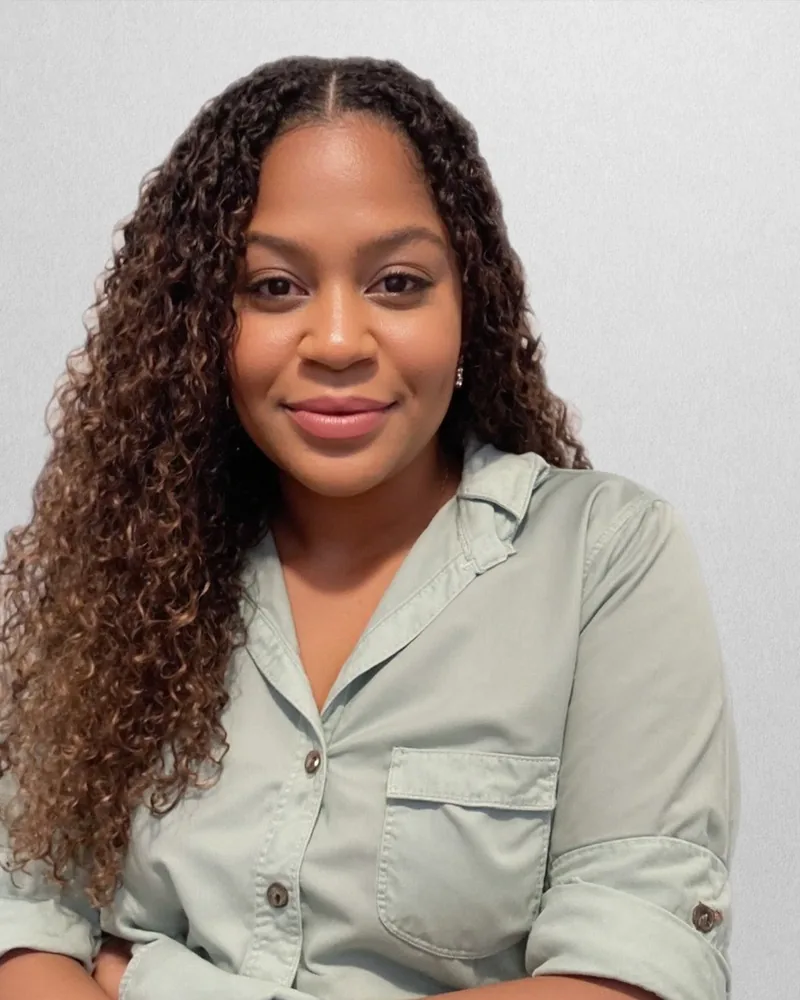
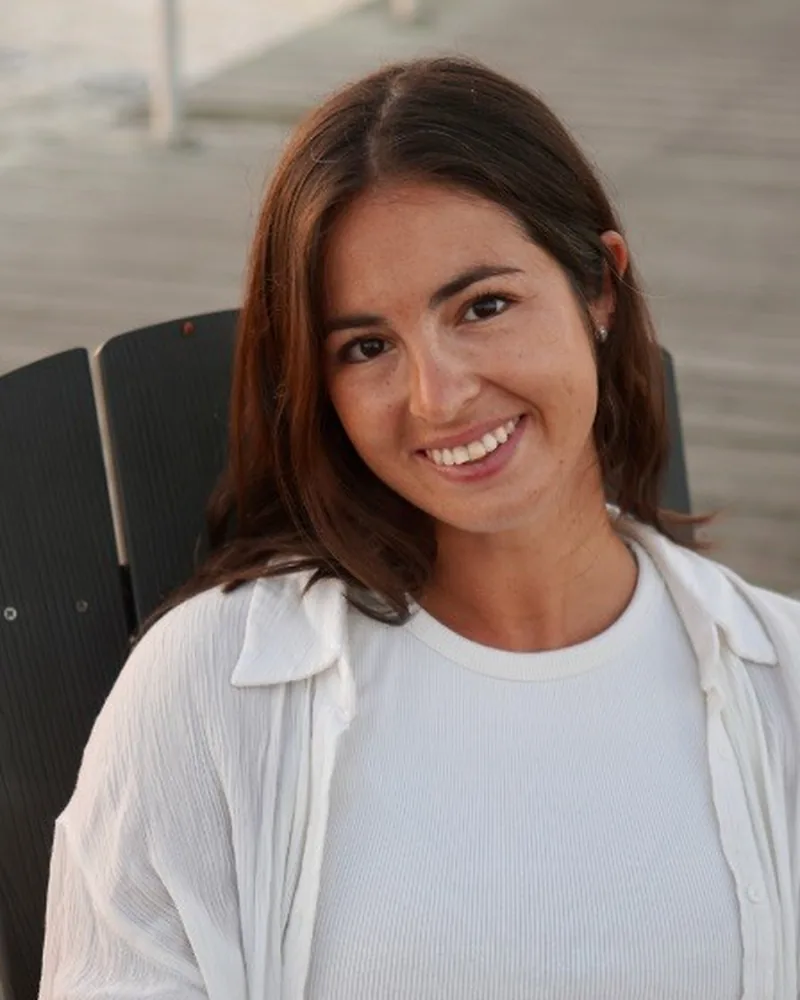
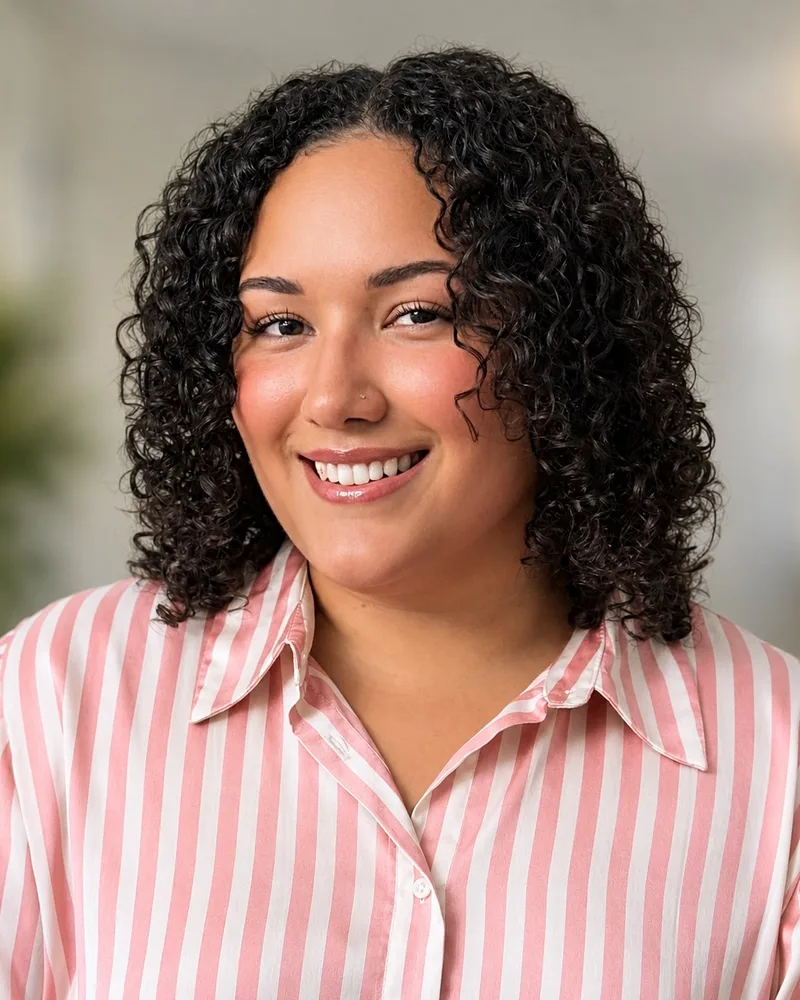
CBT is the shared backbone of the clinical team rather than one clinician’s specialty. Every MindView clinician works with it: Michelle Zak, Seona King, Nirja Mistry, Evelyn Rivas and Jordyn Modelevsky.
Doing this work in Syracuse
Syracuse is the youngest city we serve in New York, and the number is striking: a median age of 31.8, with 34.0% of residents aged 18 to 34 (US Census Bureau, American Community Survey 2020-2024 five-year estimates). For comparison, the figure in Queens is 22.4%. A third of the adult population here sits in the band where a first serious course of therapy most commonly happens.
Syracuse University accounts for much of that, with 22,928 students enrolled (New York State Education Department, 2024-25). A large student and recent-graduate population changes what a therapy practice sees: more first episodes, more people who have never had a therapist before, more transitions, and more people whose address changes every twelve months. That last point is the practical argument for a video appointment. A course of CBT runs 12 to 20 sessions, which is longer than many leases here, and continuity is what makes a structured protocol work.
The commute is not the obstacle it is downstate. Mean travel time to work is 18.0 minutes, the shortest of the New York cities we serve, and only 3.9% of commuters travel an hour or more (ACS 2020-2024). What limits access here is availability rather than distance. 88.1% of households hold a broadband subscription (ACS 2020-2024, which measures what households subscribe to rather than what is available at the address).
How long it takes, and how you will know
A typical course runs roughly 12 to 20 sessions depending on your goals. That is a range, not a promise.
You set a 0 to 10 baseline at intake and monthly you review standardized measures against it. Moving means continue. Flat after a fair trial means the plan or the target changes.
Insurance
CBT is billed under the standard psychotherapy codes, so there is no separate CBT rate.
We are in-network with UnitedHealthcare, Aetna, Medicare, Oscar Health, Meritain Health, Oxford Health Plans, Cigna, Optum, Highmark BCBS WNY, Univera Healthcare and MagnaCare. We check your plan before the first session and tell you what you will pay.
Questions people ask before booking
I am a student here. Can I use my parents’ insurance? Often yes, if you are on their plan and it is one we accept. Give us the plan details when you book and we will check it before your first session.
What happens if I move away mid-course? Your therapist is licensed in New York, so sessions require you to be physically in the state. If you are leaving New York, say so early and your therapist can plan the work around the timeline or help you transfer.
Is CBT just positive thinking? No. You are asked to test what you already believe, not to believe something cheerier.
Does it work by video? The research on video-delivered CBT is extensive and shows comparable outcomes for anxiety and depression.
Can I do CBT alongside medication? Yes, and it is a well-supported combination for moderate to severe anxiety and depression. MindView clinicians do not prescribe, but your therapist can coordinate with your prescriber.
If you are in crisis
If you are having thoughts of harming yourself, do not wait on a booking form. Call or text 988, any hour, free and confidential. If you are in immediate danger, call 911.
How to get started
Book online at choose your therapist or call (646) 493-4007. We are accepting new clients and respond within one business day.