
Online therapy in Binghamton
Therapists in Binghamton, NY
Online therapy for adults across Broome County, in-network, with booking that takes about 30 seconds.
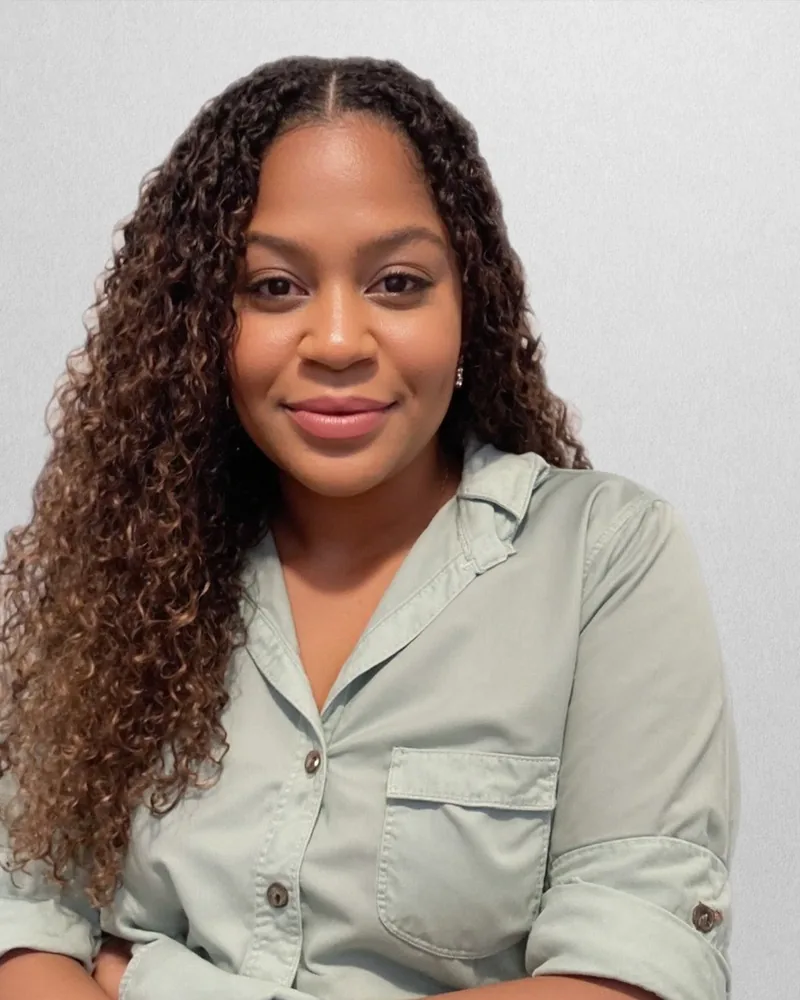
Evelyn Rivas
Psychotherapist
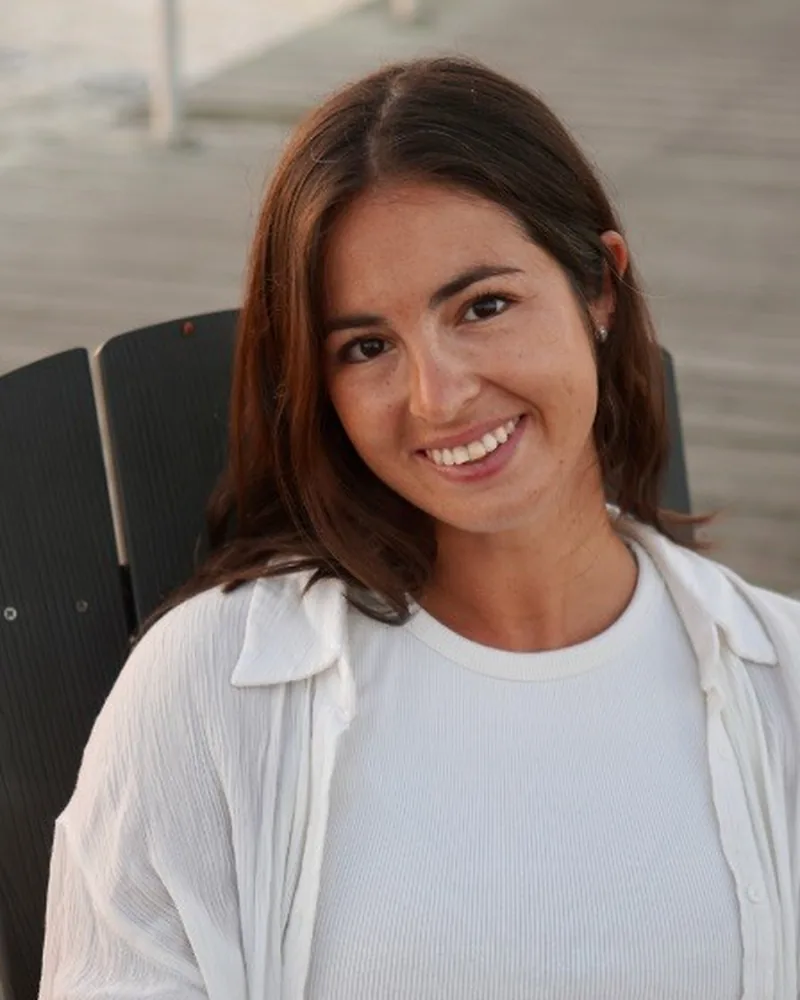
Jordyn Modelevsky
Psychotherapist

Nirja Mistry
Psychotherapist
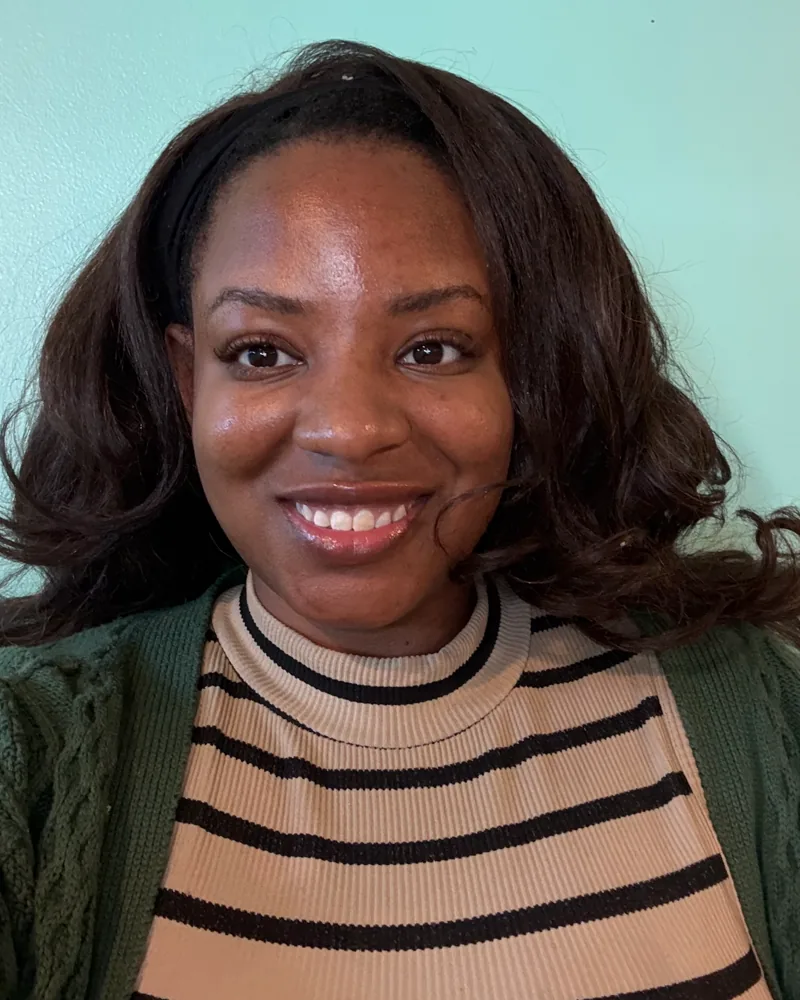
Seona King
Psychotherapist

Mira Mabed
Psychotherapist
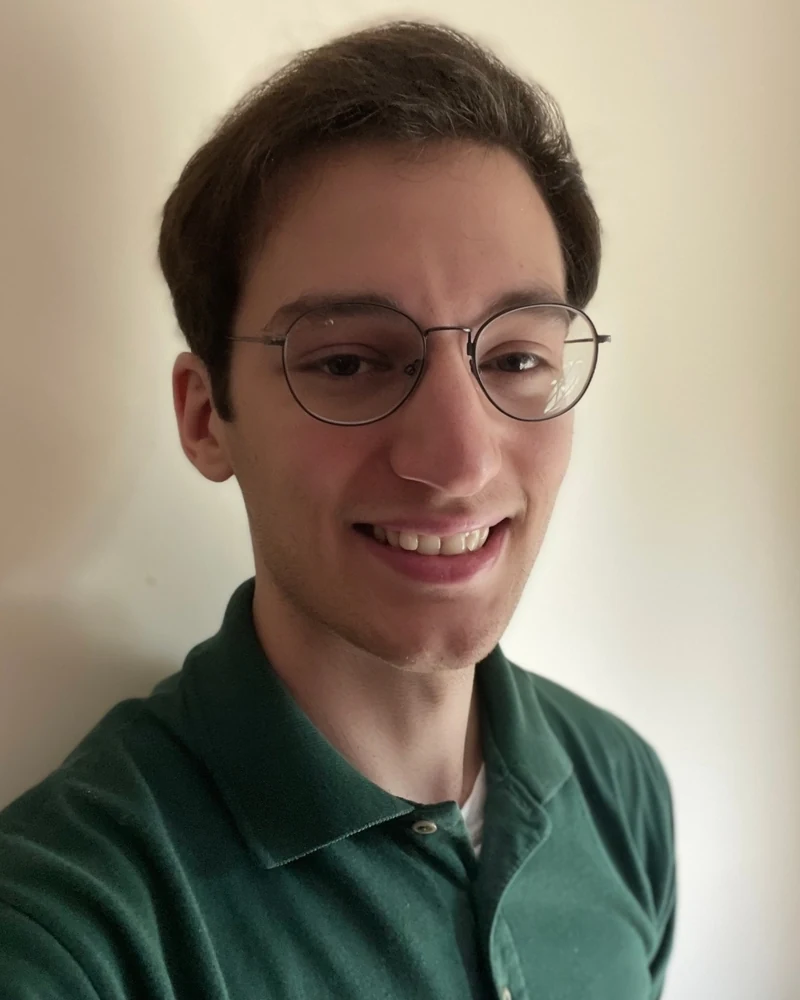
Henry Rubin
Psychotherapist
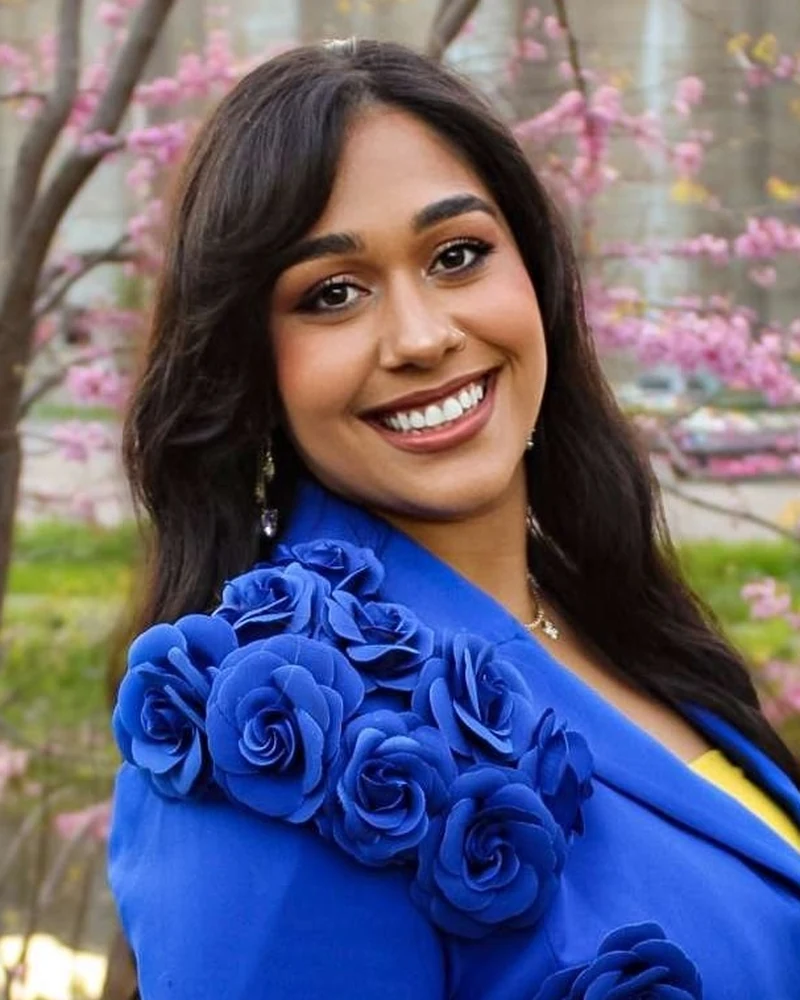
Melanie Rivera
Psychotherapist
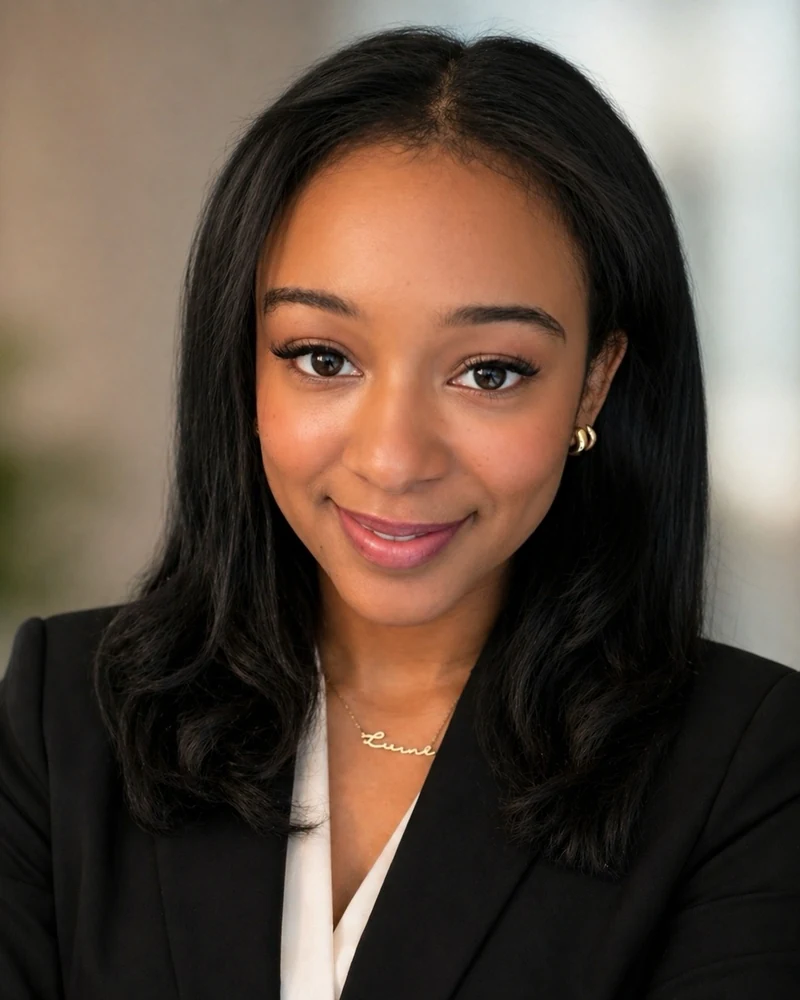
Lianna Hallett
Psychotherapist
Cory Gardner
Psychotherapist

Khadijha Zaman
Psychotherapist
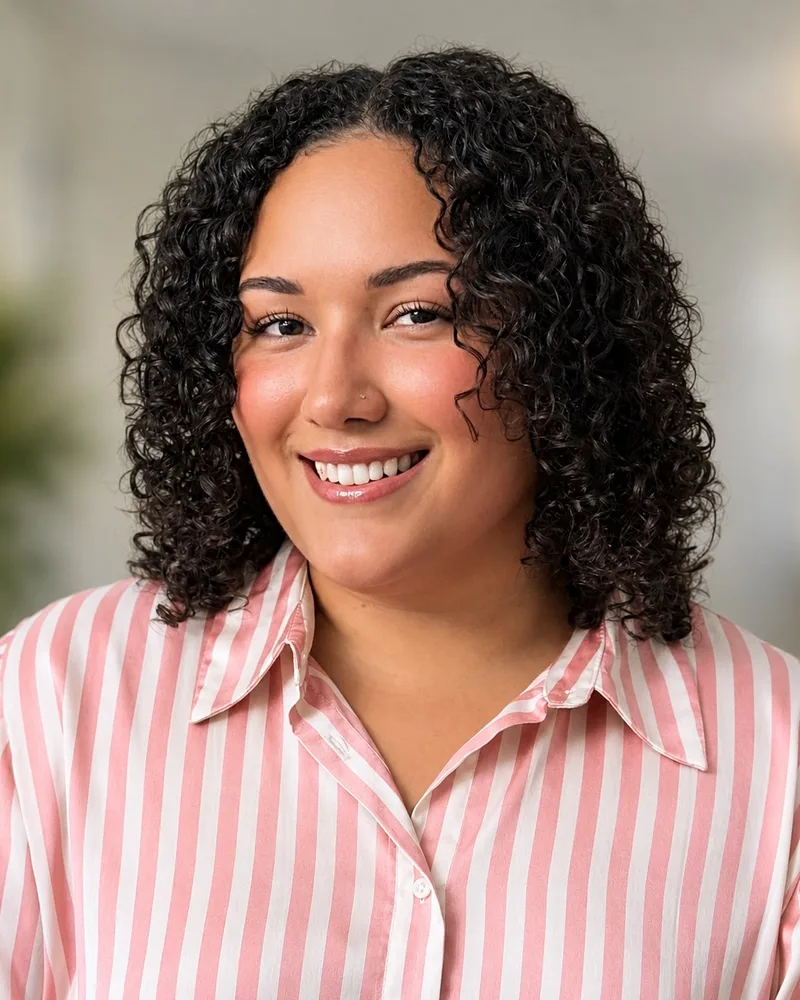
Melodie Badillo
Psychotherapist

Michelle Zak
Psychotherapist
Choose a time and send your request. It takes about 30 seconds and one short form.
In-network in Binghamton, NY
- UnitedHealthcare
- Aetna
- Medicare
- Oscar Health
- Meritain Health
- Oxford Health Plans
- Cigna
- Optum
- Highmark BCBS WNY
- Univera Healthcare
- MagnaCare
Evelyn Rivas
Psychotherapist
Jordyn Modelevsky
Psychotherapist
Nirja Mistry
Psychotherapist
Seona King
Psychotherapist
Mira Mabed
Psychotherapist
Henry Rubin
Psychotherapist
Melanie Rivera
Psychotherapist
Lianna Hallett
Psychotherapist
Cory Gardner
Psychotherapist
Khadijha Zaman
Psychotherapist
Melodie Badillo
Psychotherapist
Michelle Zak
Psychotherapist
Industry-leading, structured care
Progress measured monthly, not guessed at
We respond within one business day
Every clinician state-licensed
Why MindView
Most therapy in Binghamton has no structure. Ours has four stages and a scoreboard.
Most practices in Binghamton deliver whatever approach the therapist you happened to get was trained in. We run one format for every client, and we measure it.
- 01
Intake
What is actually going on, rated 0 to 10 as your baseline.
- 02
Your history
Why it is happening. History, relationships, work, health.
- 03
Treatment plan
Written and collaborative, built against those causes.
- 04
Monthly review
Standardized measures, reviewed with you. You see the trend.
A license is where our training starts, not where it ends.
Every clinician is state-licensed before they see a single client. Then they train with us across every modality, and how to match one to the problem in front of them.
What clients say
4.96 average from 143 reviews
- 5 out of 5 stars
MindView Therapy has great customer service and is very flexible, with good therapist availability and clear communication of any changes. Genuinely a great place for therapy with zero judgement.
Kailani M.
Verified review
- 5 out of 5 stars
The support staff was very helpful in assisting me to find the right provider. And the provider they found me is personable, a good listener, has good advice, and appears to be quite knowledgeable. I'm very happy with my decision to go with MindView.
Kevin R.
Verified review
- 5 out of 5 stars
I truly felt seen, heard and understood by my therapist. Goals and next step expectations were clearly explained for processing.
Diane S.
Verified review
- 5 out of 5 stars
I had a great onboarding experience with MindView. My therapist took the time to do a really thorough intake, which I appreciated, and the staff keeps communication clear and consistent. Plus, they handled my insurance verification hassle free.
Jennifer P.
Verified review
- 5 out of 5 stars
I'm new to this therapy place, however the couples therapist we are seeing is amazing so far. She's a great listener and I can't wait to see how much further we can get with her guidance.
Maritza M.
Verified review
- 5 out of 5 stars
Great therapists, excellent customer service.
Meta
Verified review
- 5 out of 5 stars
My therapist has been incredibly supportive and compassionate. She creates a safe, welcoming space, and I truly feel heard and understood. I'm very grateful for her guidance. Highly recommend.
Laura S.
Verified review
- 5 out of 5 stars
The clinician is helpful. I would recommend this to my friends. I can communicate better with my family members. Thanks for your cooperation.
Sharmin S.
Verified review
- 5 out of 5 stars
The process to find a therapist was very smooth and quick. The intake did take some time, but it was a very thorough process. Overall a great service and very helpful.
Jorge Z.
Verified review
- 5 out of 5 stars
Helpful, and they let you know everything in advance.
Naphtali S.
Verified review
- 5 out of 5 stars
MindView Therapy has been wonderful to work with. The team is kind, responsive, and made the entire process feel easy from the start. I always felt heard and supported, and I really appreciate the compassionate care I've received. Highly recommend.
Angela D.
Verified review
- 5 out of 5 stars
I've had a great experience with MindView. They are easy to communicate with and handle my needs quickly. I've had some great sessions with my therapist and would highly recommend checking them out.
Kylah B.
Verified review
- 5 out of 5 stars
My therapist has done a great job of teaching me how to translate my thoughts into personal feelings, as well as helpful techniques to deal with my anxiety.
Ladale N.
Verified review
- 5 out of 5 stars
I cannot say enough good things about my counselor. From the very start she made me feel heard, respected, and supported without judgement. She is a great listener and challenges me to grow in healthy ways.
Barbara D.
Verified review
- 5 out of 5 stars
She is such a great therapist. She really listens to what you are saying and helps you figure out situations.
Leah D.
Verified review
- 5 out of 5 stars
The process from start to finish is made so easy. You get assigned to someone quickly and can choose from various time slots to work around your schedule. No sitting on a phone waiting, just quick and to the point with every step.
Shannon G.
Verified review
- 5 out of 5 stars
I've had such a positive experience with MindView Therapy. The sessions have given me so much clarity and practical tools to handle life's ups and downs. I feel more equipped and confident moving forward. If you are looking for a supportive and insightful therapy experience, I highly recommend them.
Lucie L.
Verified review
- 5 out of 5 stars
She is an amazing therapist. She understands me and where I am coming from without hesitation. It is a complete judgement-free zone.
Barbie Z.
Verified review
- 5 out of 5 stars
I've had a really wonderful experience at MindView. My therapist is a great listener and always made me feel heard and understood. I've seen meaningful progress. Would recommend.
Manana D.
Verified review
- 5 out of 5 stars
Kind, helpful, and good at what they do! My therapist is truly one-of-a-kind, and has helped me so much.
Nick B.
Verified review
Therapy in Binghamton, in short
MindView Therapy sees Broome County clients by secure video anywhere in New York State. We are a CBT-focused practice for adults 18 and older, in-network with UnitedHealthcare, Aetna, Medicare, Oscar Health, Meritain Health, Oxford Health Plans, Cigna, Optum, Highmark BCBS WNY, Univera Healthcare and MagnaCare. We have no Binghamton office, and we are accepting new clients now.
Broome County has lost more than 40% of its city population since 1950 and built one of the state's larger public universities inside the same footprint. We work with adults across the county by secure video, most major plans taken, booking in about 30 seconds.
Does MindView Therapy see clients in Binghamton?
Yes. We work with adults 18 and older across Broome County by secure video, anywhere in New York State. We are in-network with UnitedHealthcare, Aetna, Medicare, Oscar Health, Meritain Health, Oxford Health Plans, Cigna, Optum, Highmark BCBS WNY, Univera Healthcare and MagnaCare, and we verify your plan before your first session. We have no Binghamton office, and we are accepting new clients now.
Two Binghamtons, one county
The city of Binghamton held 80,674 people in the 1950 Census. The 2020-2024 American Community Survey puts it at 47,151, a decline of more than 41% (U.S. Census Bureau). That contraction is not a rumor. The city has 25,457 housing units against 21,393 occupied households (U.S. Census Bureau, ACS 2020-2024), which puts roughly 16% of the city’s housing stock sitting empty, built for a population that peaked seventy years ago and never came back. It shows up in the storefronts around Endicott too, and it is the backdrop for a lot of what a longtime resident brings into a first session.
The city also draws more newcomers than the county around it. Foreign-born residents make up 11.7% of Binghamton city, against 6.8% countywide, and the county’s veteran population, 5.8%, runs noticeably higher than the city’s, 3.6% (U.S. Census Bureau, ACS 2020-2024). Two different kinds of “new to this” show up in the same caseload: someone establishing care in the United States for the first time, and someone who served and came home to a county that looks different than the one they left.
The county did not shrink the same way. Broome County overall holds about 197,378 people, roughly four times the city’s population, and its age structure looks nothing like the city’s (U.S. Census Bureau, ACS 2020-2024). Ages 20 to 24 make up 16.2% of city residents, more than one in six, against 10.3% countywide. That gap is the university: a large, young population concentrated inside a city built for a much bigger and much older population than the one living there now.
Median age tells the same story from a different angle. The city runs younger than the county, 35.9 years against 39.2 (U.S. Census Bureau, ACS 2020-2024), a three-year gap that is almost entirely explained by who lives inside the city line versus who lives in the towns around it.
A therapist working across Broome County sees both groups inside one caseload: a downtown population skewed young by the campus, and a much larger, longer-settled county population that has spent decades watching the local economy change shape. We do not run one plan for both.
That younger slice of the county also cycles with the school year, swelling every August and thinning every May. This page does not chase that pattern in detail, because what it means for a given person’s care depends on exactly where they are sitting at the time, not on which side of the county line they live.
Households look different across that same split. The city averages 2.1 persons per household across 21,393 households (U.S. Census Bureau, ACS 2020-2024), a figure pulled down by the concentration of young, single-occupant and roommate households near campus. Further out in Vestal, Endicott and the towns beyond, households run larger and older. It is a practical detail as much as a demographic one: a shared apartment near campus is a different kind of space to hold a private session in than a house further out in the county, and it is worth naming at intake if privacy during the hour is a real question for you.
The clinical difference between the two groups is real, not just demographic color. Someone in the younger, campus-adjacent population is often naming a problem for the first time, unsure whether what they are dealing with is “bad enough” to bring to anyone. Someone who has spent decades watching Broome County change is more often dealing with something they can already name precisely and have carried a long time, which is usually slower work. Neither is the standard case, so neither gets a standard plan.
None of this is unique to Binghamton in the abstract; plenty of small cities anchor a university. What is specific here is the scale of the mismatch: a county-sized area built around a manufacturing workforce that mostly left, holding a city-sized population that fell by 41% while a single institution grew large enough to reshape the age structure of what remained. A therapist who has not sat with both sides of that split is working from the wrong baseline.
The economy underneath the two populations
Manufacturing built this county. IBM’s Endicott campus, where the company traces its roots to 1911, once employed as many as 18,000 people in the village. IBM closed its last Endicott office in 2023, ending nearly a century there (Spectrum News 1). What that history left behind is still visible in the housing stock and the empty storefronts along the old plant corridor.
The employment base today looks different. Manufacturing now accounts for about 9.4% of Broome County’s employed workforce, roughly 8,100 of 86,815 workers (U.S. Census Bureau, ACS 2020-2024). Education and health care together employ close to a third of the county: about 13,500 people in education and 15,100 in health care and social assistance, a combined 33% of everyone working (U.S. Census Bureau, ACS 2020-2024).
That shift matters for scheduling, not just for the local economy. A large share of the adults we see work in a school building or a hospital, on calendars set by an academic year or a rotating clinical shift rather than a standard nine-to-five. A weekly appointment that assumes a fixed workday does not fit that population, and we plan around the actual schedule rather than the assumed one.
The rest of the county’s jobs are spread across retail (about 12.3% of workers), professional and scientific services (8.6%), accommodation and food service (9.6%), construction (4.9%) and public administration (5.0%), with smaller shares in finance, information and wholesale trade (U.S. Census Bureau, ACS 2020-2024). No single industry outside education and health care employs more than one worker in ten, which is a different picture than the single-employer manufacturing economy Broome County ran on for most of the twentieth century. A caseload built on that kind of economy is a caseload with a lot of different shift patterns, not one predictable nine-to-five rhythm we can schedule around by default.
Unemployment tracks the same divide. Of the city’s labor force, 10.2% are unemployed, against 7.1% countywide (U.S. Census Bureau, ACS 2020-2024). Three points does not sound like much until it is the difference between a household with one income gap and a household with none, and it is one more reason the city and the county around it are not really one economy wearing two zip codes.
The university itself is large enough that the U.S. Census Bureau tracks the campus as its own separate geography, apart from the city of Binghamton. That is a small technical fact with a real practical consequence: a search for “Binghamton” turns up at least three different places, the city, the campus, and the county that contains both, and most of the confusion callers have about whether we serve their address starts right there. We serve all three, by video, under the same New York license.
Money looks different by zip code
Broome County’s median household income is $62,616. Inside the city line it is $45,578, and the city’s poverty rate runs 32.6% against 18.5% countywide (U.S. Census Bureau, ACS 2020-2024). That is a real income gap sitting inside one metro area, not just a change of zip code.
Education levels do not track the same gap. Binghamton city and Broome County post nearly identical bachelor’s-degree attainment, 30.7% and 30.6% respectively (U.S. Census Bureau, ACS 2020-2024), which means the income difference is not a story about who went to college. It is a story about which jobs pay what in which part of the county, and it is the reason financial stress shows up as often as any single event does in what people bring to a first session here. Naming that plainly, rather than talking around it, usually helps more than either.
Housing carries the same split. The median owner-occupied home in the city of Binghamton is valued at $124,800 (U.S. Census Bureau, ACS 2020-2024), well below typical Southern Tier suburban values further out in the county. A lower home value is not automatically good news; paired with the city’s poverty rate, it more often reflects a housing stock built for an economy and a population size that no longer exist.
The city rents; the county owns. 56% of occupied city housing units are renter-occupied, against 35% countywide, where most households own (U.S. Census Bureau, ACS 2020-2024). Median gross rent in the city, $870, actually runs below the countywide median of $941, which tracks with lower city incomes rather than a cheaper cost of living overall. That renter concentration sits mostly downtown and near campus, which is also where the youngest and most transient part of our caseload lives.
What the income gap is not about is whether people here have insurance at all. Fewer than 3% of Broome County residents, city or county, are uninsured (U.S. Census Bureau, ACS 2020-2024). For almost everyone contacting us, the real question is not whether a plan exists but whether it is accepted here and what a session costs against it, and we check every plan before the first session and tell you the number, copay, coinsurance or remaining deductible, so cost is never a surprise stacked on top of everything else.
Getting to care across Broome County
Outside the city, Broome County is spread out. Most of the county’s 76,151 commuting workers travel under 20 minutes to work, but roughly one in six travels 30 minutes or more each way, and about 5,600 travel 45 minutes or longer (U.S. Census Bureau, ACS 2020-2024). For someone in Chenango Bridge, Conklin or Apalachin, adding a weekly therapy drive on top of a commute like that is its own second commute, on top of the first one.
Downtown Binghamton, the West Side and the North Side sit inside the city itself, close to the university and to each other. Vestal, Johnson City and Endicott ring the city and carry most of the old manufacturing corridor. Endwell, Chenango Bridge, Conklin and Apalachin sit further out, closer to the Pennsylvania line than to downtown. A practice with one physical location was never going to serve all of that evenly, no matter where it sat, and a client in Apalachin has never had the same access to a downtown storefront practice that someone a mile from campus does.
The provider math does not help. By one 2022 analysis of federal provider records against Census population data, Broome County has roughly one mental health provider for every 416 residents (Stacker, using CMS National Provider Identifier File and U.S. Census Bureau data). Spread across a county of about 197,378 people, that works out to somewhere around 470 providers covering the city, the campus and every town listed above at once. That ratio is the reason “the practice I called was full” is such a common opening line from Southern Tier callers, and it is a supply problem, not a sign that people here are not trying hard enough to get help. A shortage that size does not resolve by driving further; there are only so many licensed clinicians inside any given radius, no matter how far you are willing to go.
That is the specific problem video solves here. We have no office anywhere in Broome County. Every session runs by secure video, so the question stops being which town has an opening and becomes whether a New York license covers you, which it does anywhere in the state, from downtown to Apalachin. Research comparing video-delivered CBT with the in-person version has generally found comparable outcomes for the outpatient concerns we treat, and we track progress with standardized measures each month so the plan changes if it has not moved.
How Broome County’s provider supply compares
An estimated 17.6% of Broome County adults report frequent mental distress, meaning 14 or more poor mental health days in the past month (CDC PLACES, 2023 county estimate). That baseline need is what the county’s provider supply has to meet, and it does not meet it evenly across the region.
Broome County has about 518 mental health providers on record, a ratio of roughly one provider for every 379 residents (County Health Rankings and Roadmaps, 2025). That puts it ahead of the mostly rural counties around it: Chenango County runs one provider for every 522 residents, Tioga one for every 555, and Delaware one for every 634 (County Health Rankings and Roadmaps, 2025). It trails Cortland County, one for every 233, and Tompkins County, one for every 224, the two counties built around their own college towns.
Being the best-supplied county in the immediate region is a low bar. A caller weighing options from Chenango or Delaware County is looking at a shortage noticeably worse than Broome’s own, on top of the drive. None of it changes what video therapy fixes: a license that covers the whole state, not one county’s slice of its own provider supply.
Rural at the edges, not the center
Broome County itself is about 25% rural by Census definition, the least rural county in the cluster around it (County Health Rankings and Roadmaps, 2025). Chenango County is 83% rural, Delaware 91%, Tioga 66%, Otsego 73%. Vestal, Johnson City and Endicott sit inside Broome’s built-up core; Chenango Bridge, Conklin and Apalachin sit closer to that rural edge, where the county’s own provider supply thins out first.
Distance compounds in a second way. An estimated 8.5% of Broome County adults report they lacked reliable transportation to get where they needed to go at least once in the past year (CDC PLACES, 2023 county estimate). A weekly therapy appointment that depends on a working car, a ride, or a bus schedule is not guaranteed even when an opening exists. A video session removes that requirement; it needs a phone or a laptop, not a car in the driveway.
The cost burden behind the rent numbers
Rent level is only part of the housing picture. About 13.3% of Broome County households spend more than half their income on housing costs alone, a measure County Health Rankings and Roadmaps calls severe housing cost burden (2025 data). That runs higher than most of the rural counties nearby, Chenango at 9.5%, Tioga at 7.9%, Cortland at 10.4%, Otsego at 10.6%, and lower only than Tompkins County’s 19.9%, where the Ithaca-area rental market pushes costs up.
That burden does not track cleanly with poverty. A household can sit above the poverty line and still be spending more than half its income to keep the lease, and that kind of ongoing math is a specific, recurring financial stressor, distinct from a single financial shock, that shows up often in a first session here.
An older county, and what that means for isolation
Just over one in five Broome County residents, 20.7%, is 65 or older (County Health Rankings and Roadmaps, 2025), a higher share than Cortland (17.9%) or Tompkins (16.8%) and lower than largely rural Delaware County (27.1%). Broome is a county aging in place, not just a small city with a university dropped into the middle of it.
Two figures from CDC’s county-level health survey put a number on what that can look like day to day. An estimated 35.6% of Broome County adults report feeling lonely some or all of the time, and 25.6% report lacking the social and emotional support they need (CDC PLACES, 2023 county estimates). Neither figure is broken out by age, but an aging population spread across towns with thinning provider supply is exactly the setting where both numbers show up hardest, and it looks different from the campus-adjacent isolation described earlier on this page.
A retired resident in Chenango Bridge or Conklin is not solving that the same way a twenty-two-year-old two miles from campus is. Fewer nearby peers, a longer drive to whatever social anchor used to be a short walk, and often a spouse or close friends who have moved away or passed on. Video therapy does not fix isolation by itself, but it removes the one barrier that is purely logistical: getting from a house outside town to an office that has an opening, on a schedule that fits.
Who we work with
We see adults for anxiety, depression, trauma, OCD, burnout, grief and relationship strain. No diagnosis required, and no need to have the problem worded well before you call, whether you’re calling from a Vestal apartment, a Chenango Bridge farmhouse, or a dorm room downtown.
How do I start?
Book online through our booking page. It takes about 30 seconds. Have your insurance member ID card ready, whichever of the eleven plans above it belongs to.
We verify your benefits, confirm what you will owe, and get you scheduled. We are accepting new clients and respond within one business day, city or county. Prefer to talk to a person first? Call (646) 493-4007.
Areas we serve
- Downtown Binghamton
- the West Side
- the North Side
- Vestal
- Johnson City
- Endicott
- Endwell
- Chenango Bridge
- Conklin
- Apalachin
These are the areas Binghamton clients most often come from, but the list is not a limit. Sessions are by secure video anywhere in New York State.
Insurance we accept in Binghamton
We check your plan before your first session and tell you what you will pay.
- UnitedHealthcare
- Aetna
- Medicare
- Oscar Health
- Meritain Health
- Oxford Health Plans
- Cigna
- Optum
- Highmark BCBS WNY
- Univera Healthcare
- MagnaCare
What does therapy here actually look like?
The first three sessions follow a clear structure, so you always know what is coming next.
- The first meeting
Your first session is an intake. Your therapist asks what brought you in and about your history, and you rate the intensity of what you are feeling from 0 to 10. That becomes your baseline. You set a recurring weekly time before you leave.
- The wider picture
Your therapist walks through your life across stages, looking for the patterns and strengths behind what brought you in. You can decline any question and keep any answer short.
- Building the plan
You and your therapist build the plan together. Goals are tied to what you came in for, each with concrete objectives, plus one personal goal that matters to you.
- Ongoing
Weekly sessions work the plan. Once a month you and your therapist review standardized measures together to see whether it is working, and the plan is adjusted from what they show.
Therapy here is measured, not guessed
Once a month you have a measurement-based care review. You complete standardized measures, and your therapist reviews the trend with you. If something is not working, the plan changes. Regular therapy is the work. The review is the navigation system that keeps it pointed at the right target.
Sessions are weekly for the first two months to build a foundation, then frequency is reassessed with you. You set the pace, and you share only what you are comfortable sharing.
Start therapy in Binghamton.
Choose a time and send your request. It takes about 30 seconds and one short form.
Binghamton questions
Why does Binghamton feel like two different cities?
Because in a lot of ways it is. City residents aged 20 to 24 make up 16.2% of the population, versus 10.3% countywide, a gap driven by the university (U.S. Census Bureau, ACS 2020-2024). Everyone else is part of a much larger, longer-settled county that has watched the city around it shrink for seventy years. We see both, and we do not treat them the same way.
Has Binghamton's population really dropped that much?
Yes. The city held 80,674 people in the 1950 Census and holds 47,151 now, a drop of more than 41% (U.S. Census Bureau, 1950 Census of Population; ACS 2020-2024). Broome County as a whole is much larger, about 197,378 people, so the contraction is concentrated in the city itself.
Is the therapist shortage in Broome County a real thing, or does it just feel that way?
It is real and it is measurable. One 2022 analysis of federal provider records against Census population data put Broome County at roughly one mental health provider for every 416 residents (Stacker, using CMS National Provider Identifier File and U.S. Census Bureau data). That is the reason so many Southern Tier callers hear a full waitlist before they hear anything else.
I live in Vestal, Endicott, or Johnson City, not the city of Binghamton itself. Do you still see me?
Yes. We work with adults across Broome County, not just inside the city line, including Vestal, Johnson City, Endicott, Endwell, Chenango Bridge, Conklin and Apalachin. Video removes the question of which town has a practice with an opening; a New York license is what makes the session legal, not a local address.
What happened to the manufacturing jobs Binghamton used to run on?
Most of them left. IBM's Endicott campus, where the company started, once employed as many as 18,000 people; IBM closed its last Endicott office in 2023 after nearly a century there (Spectrum News 1). Manufacturing is now about 9% of the county's employed workforce; education and health care together are about a third of it (U.S. Census Bureau, ACS 2020-2024).
Does it matter that so much of the city is rented rather than owned?
It can, for privacy during a session. 56% of occupied housing in the city of Binghamton is renter-occupied, against 35% countywide (U.S. Census Bureau, ACS 2020-2024), and much of that is close to downtown and the campus, often shared. If finding real privacy for the hour is a genuine issue where you live, say so at intake and we plan around it.
Do you offer couples counseling in Broome County?
Yes. One video session with both partners present, joining together or from two separate places, as long as both are in New York State during the session. We confirm how a specific plan handles couples work when we verify benefits.
How do I get started?
- 1
Check your insurance
Most major plans are accepted, and checking takes under a minute.
See if we take your insurance - 2
- 3
Meet your therapist
Your first session is an intake. Your therapist asks what brought you in, and you set a weekly time together.
Other New York cities we serve
We see clients by secure video across the state. Nearby cities are listed first.
- Therapists in ElmiraChemung County
- Therapists in CorningSteuben County
- Therapists in HornellSteuben County
- Therapists in NorwichChenango County
- Therapists in AlbanyAlbany County
- Therapists in RochesterMonroe County
- Therapists in SyracuseOnondaga County
- Therapists in UticaOneida County
- Therapists in WatertownJefferson County
- Therapists in SchenectadySchenectady County
- Therapists in PoughkeepsieDutchess County
- Therapists in TroyRensselaer County
- Therapists in Niagara FallsNiagara County
- Therapists in RomeOneida County
- Therapists in YonkersWestchester County
- Therapists in New RochelleWestchester County
- Therapists in Mount VernonWestchester County
- Therapists in White PlainsWestchester County
- Therapists in HempsteadNassau County
- Therapists in FreeportNassau County
- Therapists in LevittownNassau County
- Therapists in Long BeachNassau County
- Therapists in BrentwoodSuffolk County
- Therapists in MiddletownOrange County
- Therapists in NewburghOrange County
- Therapists in KingstonUlster County
- Therapists in Saratoga SpringsSaratoga County
- Therapists in IthacaTompkins County
- Therapists in AuburnCayuga County
- Therapists in North TonawandaNiagara County
- Therapists in JamestownChautauqua County
- Therapists in LackawannaErie County
- Therapists in TonawandaErie County
- Therapists in LockportNiagara County
- Therapists in BataviaGenesee County
- Therapists in DunkirkChautauqua County
- Therapists in OleanCattaraugus County
- Therapists in SalamancaCattaraugus County
- Therapists in Glen CoveNassau County
- Therapists in RyeWestchester County
- Therapists in PeekskillWestchester County
- Therapists in BeaconDutchess County
- Therapists in Port JervisOrange County
- Therapists in HudsonColumbia County
- Therapists in CohoesAlbany County
- Therapists in WatervlietAlbany County
- Therapists in RensselaerRensselaer County
- Therapists in MechanicvilleSaratoga County
- Therapists in Glens FallsWarren County
- Therapists in AmsterdamMontgomery County
- Therapists in GloversvilleFulton County
- Therapists in JohnstownFulton County
- Therapists in Little FallsHerkimer County
- Therapists in CortlandCortland County
- Therapists in OswegoOswego County
- Therapists in FultonOswego County
- Therapists in OneidaMadison County
- Therapists in SherrillOneida County
- Therapists in GenevaOntario County
- Therapists in CanandaiguaOntario County
- Therapists in OneontaOtsego County
- Therapists in PlattsburghClinton County
- Therapists in OgdensburgSt. Lawrence County
- Therapists in BrooklynKings County
- Therapists in ManhattanNew York County
- Therapists in the BronxBronx County
- Therapists in Staten IslandRichmond County
Take the first step
You do not have to figure this out alone. Booking takes about 30 seconds.