



The most useful thing this page can do is help you work out whether you want DBT or something that has borrowed its vocabulary, because the difference is large and the word gets used loosely. Start with what the method is actually for, then what we do and do not provide, and decide from there.
MindView Therapy offers DBT-informed individual therapy for adults across Rochester by telehealth throughout New York.
What DBT actually is
The word “dialectical” points at a deliberate contradiction the therapy keeps in place: you are doing the best you can with what you have, and some of it needs to change. Both, at once, without resolving the tension. Approaches that only validate leave you stuck. Approaches that only demand change feel like an accusation. Holding both is the design.
The content is four skill sets. Mindfulness, noticing before reacting. Distress tolerance, for the worst part of a bad moment, where the aim is only to get through without adding damage. Emotion regulation, reducing how often those moments arrive. Interpersonal effectiveness, asking or refusing without the conversation collapsing.
What we offer, and what we do not
This distinction matters more in DBT than in almost any other modality.
Full-model DBT is a program with four components: individual therapy, a weekly skills group, phone coaching between sessions, and a consultation team supporting the clinicians. The bulk of the research studied that complete package rather than any one part.
What we offer is DBT-informed individual therapy. There is no skills group here and no between-session phone coaching. That is the right amount of structure for many people and not enough for some, and which one applies to you is worth settling before you book rather than after. Ask at intake.
What a session involves
You bring the week. When something went badly, you take it apart in sequence: what happened, what you felt, what you thought, what you did, what came next. This slow reconstruction is the core technique, because a chain always contains a link where a different response was available, and that link is the target.
The skill that fits that link is then taught and rehearsed, and you agree how to practice it before the next session. That practice is the method working. A skill discussed but never rehearsed will not be there at the moment it is needed.
What DBT is used for
DBT was developed for intense, fast-arriving emotions and impulsive responses, and that is still where the evidence is strongest. It now applies more broadly to anger, mood swings, relationship struggles and stress management, and it frequently runs alongside anxiety or depression work where intensity rather than content is the barrier.
It is not automatically the right choice. A specific avoided fear is usually better handled by a targeted exposure protocol, and wanting to trace where a pattern began points toward psychodynamic therapy. Read the full method on our dialectical behavior therapy page.
Who practices it here
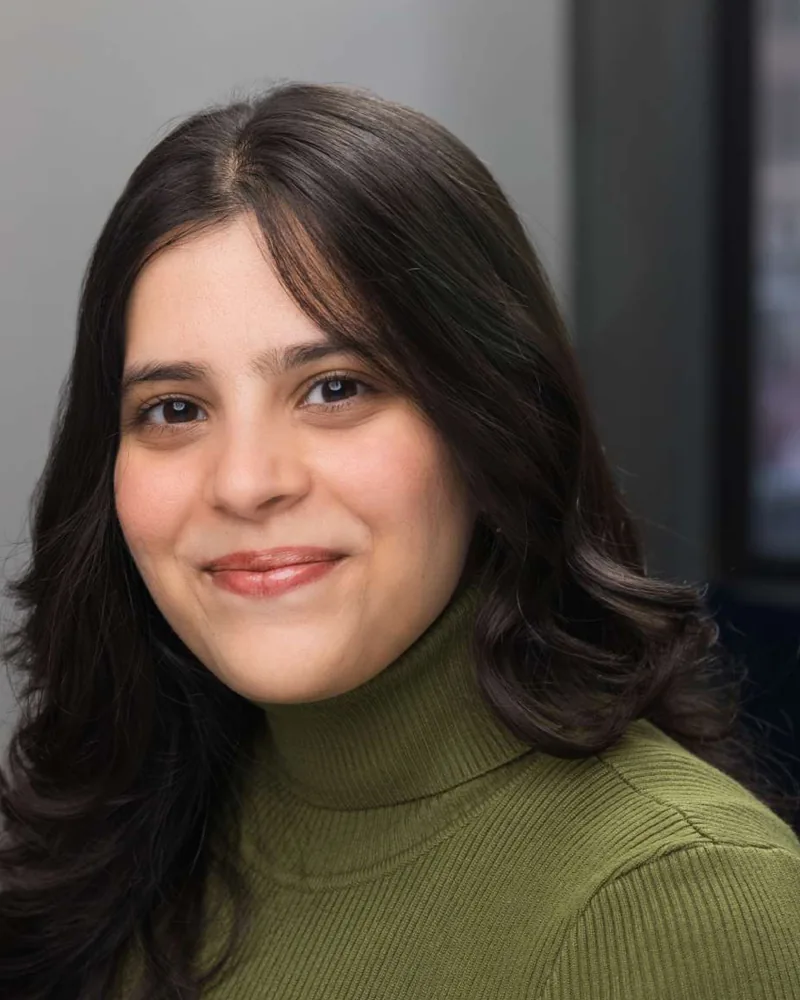
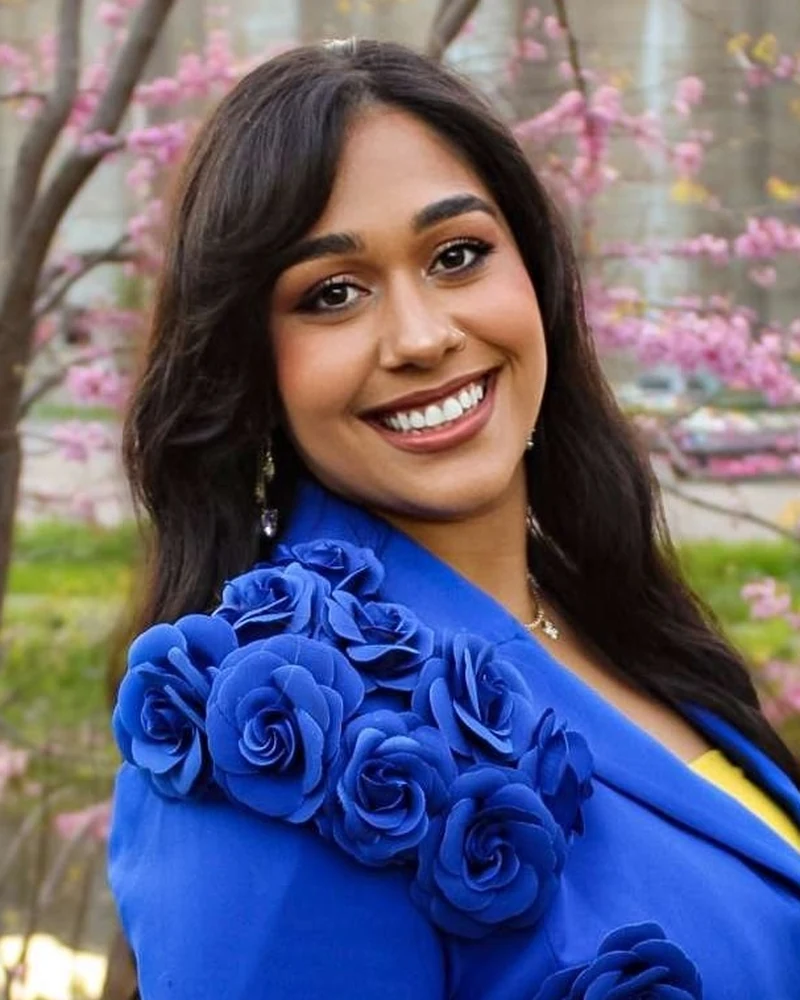
DBT at MindView is delivered by Nirja Mistry, whose work integrates DBT and CBT techniques within a relational and psychodynamic frame. She sees adults across New York, including Rochester, by telehealth.
Naming one clinician rather than implying a DBT team is the accurate version, and it tells you who you would actually be working with rather than who might be assigned.
Doing this work in Rochester
One local fact deserves a plain warning rather than a statistic dropped in passing. 86.4% of Rochester households have a broadband subscription, the lowest share of the New York cities we serve and several points below Queens at 92.3% (US Census Bureau, American Community Survey 2020-2024 five-year estimates, which measures what households subscribe to rather than what is available at the address).
That matters more for DBT than for most therapy. A distress tolerance conversation is the one you least want interrupted, and a session that drops out mid-chain is worse than one that never started. If your connection is unreliable, say so when you book and agree a phone fallback in advance. This is a solvable problem, and it is only a problem when nobody plans for it.
The city also has a large and dispersed student population: RIT enrolls 17,098, the University of Rochester 11,946, and Monroe Community College 7,847 (New York State Education Department, 2024-25, and the University of Rochester Common Data Set 2024-25). The median age is 33.7 and 31.2% of residents are aged 18 to 34, the age band in which emotion regulation difficulties most often surface for the first time. Getting to appointments is not the obstacle here, with a mean commute of 19.3 minutes and only 3.6% traveling an hour or more; availability is.
Insurance
DBT-informed individual therapy is billed under the standard psychotherapy codes, exactly like any other talk therapy session. There is no separate DBT rate.
We are in-network with UnitedHealthcare, Aetna, Medicare, Oscar Health, Meritain Health, Oxford Health Plans, Cigna, Optum, Highmark BCBS WNY, Univera Healthcare and MagnaCare. We check your plan before the first session and tell you what you will pay.
Questions people ask before booking
What happens if my connection drops mid-session? You agree a fallback in advance, usually a phone call, so an interruption costs a few minutes rather than the appointment.
Do I need a specific diagnosis? No. The skills were developed with one population and were never limited to it.
Is this the full DBT program? No. Individual DBT-informed therapy, with no skills group and no phone coaching. If you need the full model we will say so at intake.
Does DBT work over video? The skills are behavioral and portable, which is what makes them transfer. Rehearsing one in the place where you actually need it is arguably an advantage.
How long does it take? Skills work usually runs several months, depending on what you are working on.
If you are in crisis
We are not a crisis service and we do not provide between-session phone coaching, so this matters. If you are having thoughts of harming yourself, call or text 988, any hour, free and confidential. If you are in immediate danger, call 911.
How to get started
Book online at choose your therapist or call (646) 493-4007. We are accepting new clients and respond within one business day.