






Anyone comparing therapists in Rochester will see CBT listed on most profiles. That is not much of a filter. The useful question is narrower: does a session have an agenda, will there be something to practice, and how will anyone know in two months whether it worked. Clear answers to those three mean you are getting the protocol.
MindView Therapy provides CBT for adults across Rochester by telehealth throughout New York.
What CBT is
The model treats thought, feeling and behavior as one connected system. Feelings resist direct instruction. Conclusions and actions do not, and changing those changes how you feel.
The protocol part is that conclusions are tested rather than debated. What keeps anxiety and low mood alive is a prediction that never gets checked, and the behavior it produces, avoiding, withdrawing, over-preparing, exists precisely to prevent the check. CBT arranges it deliberately and in survivable steps.
What a session involves
Roughly 50 minutes, structured the same way each week: review the practice, take one real situation apart, learn or sharpen a skill, agree what you will do next.
The work happens on specific moments rather than general subjects. You separate the event from the conclusion you drew about it, then look at what that conclusion made you do. Your treatment plan names the tools: thought records, cognitive restructuring, behavioral activation, graded exposure.
The practice between sessions is where most of the change happens, and it is deliberately small, usually about ten minutes.
What CBT is used for
The evidence is deepest for anxiety and depression, where CBT is a first-line psychological treatment in most clinical guidelines, with specific protocols for panic, social anxiety, phobias, sleep problems and perfectionism.
It is not right for every goal. If understanding the origin of a pattern matters more than changing its present effect, psychodynamic therapy is the better fit and we would rather say so at intake. Read the full method on our cognitive behavioral therapy page.
Who practices it here
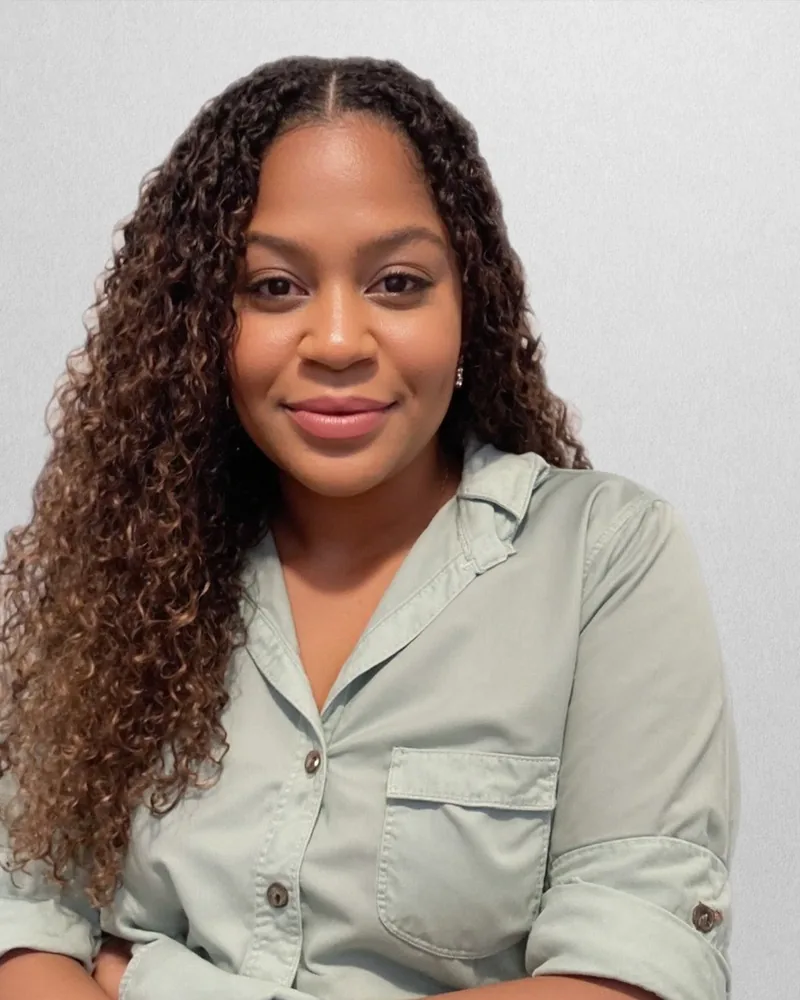
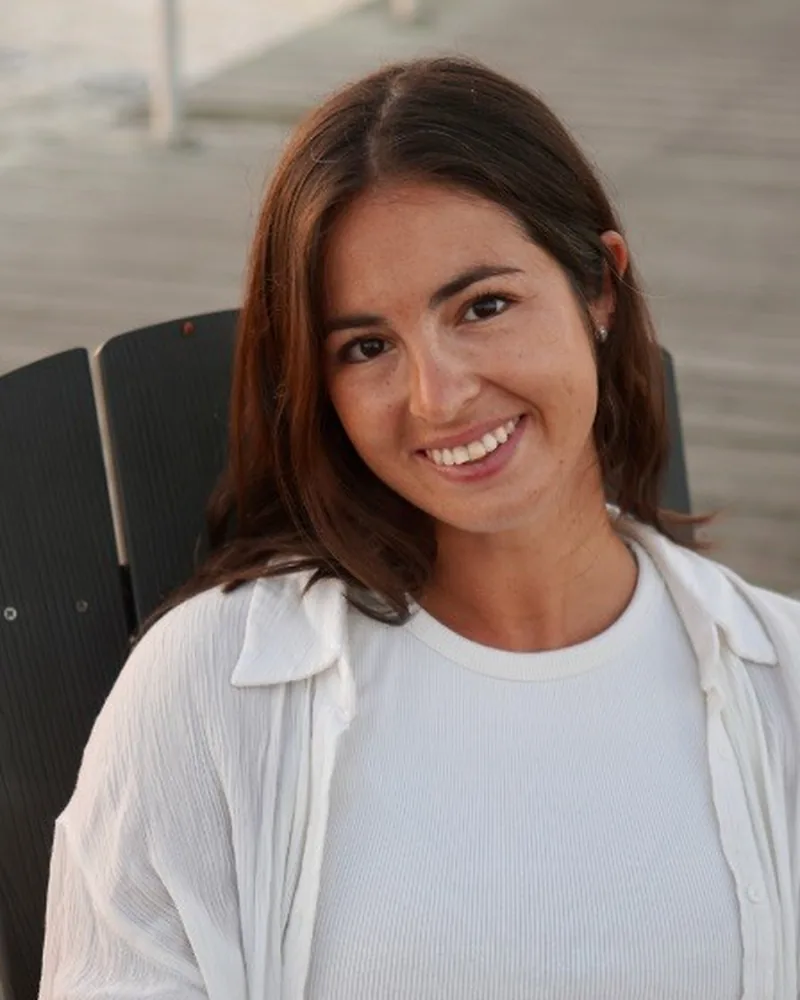
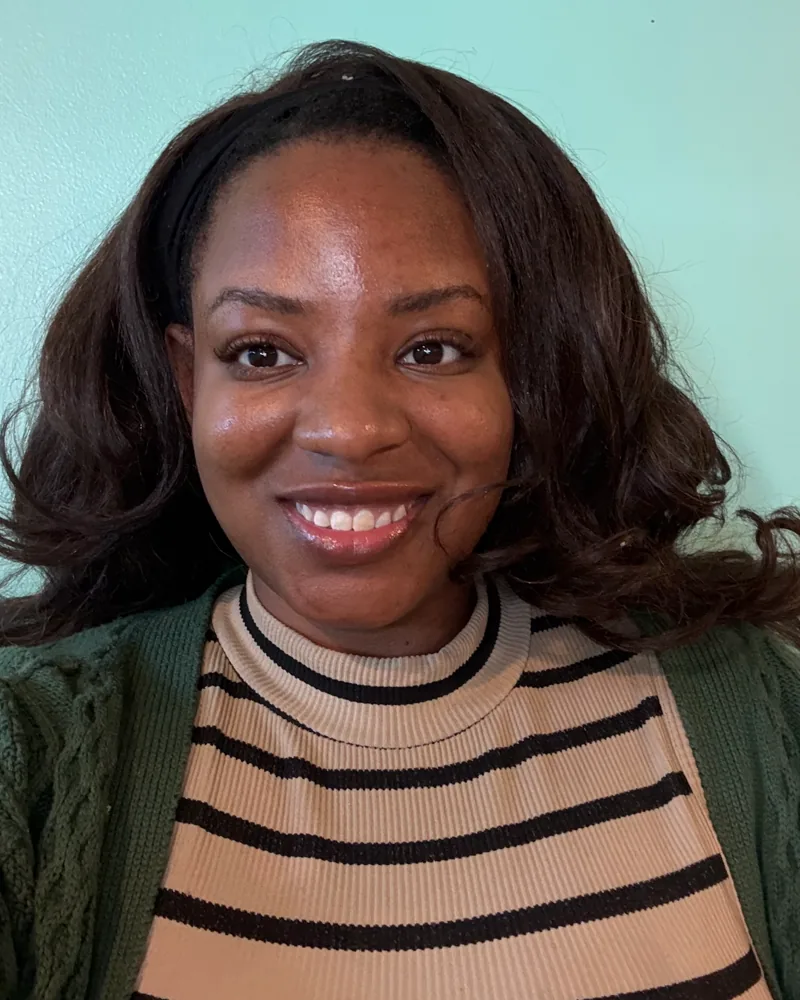
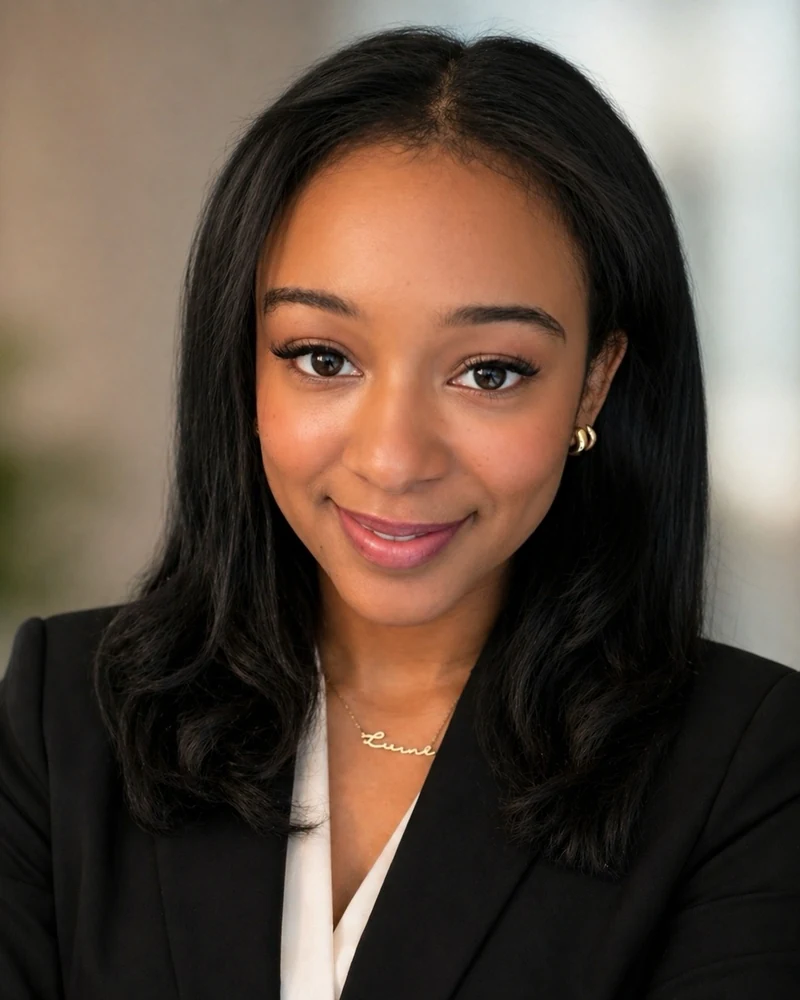
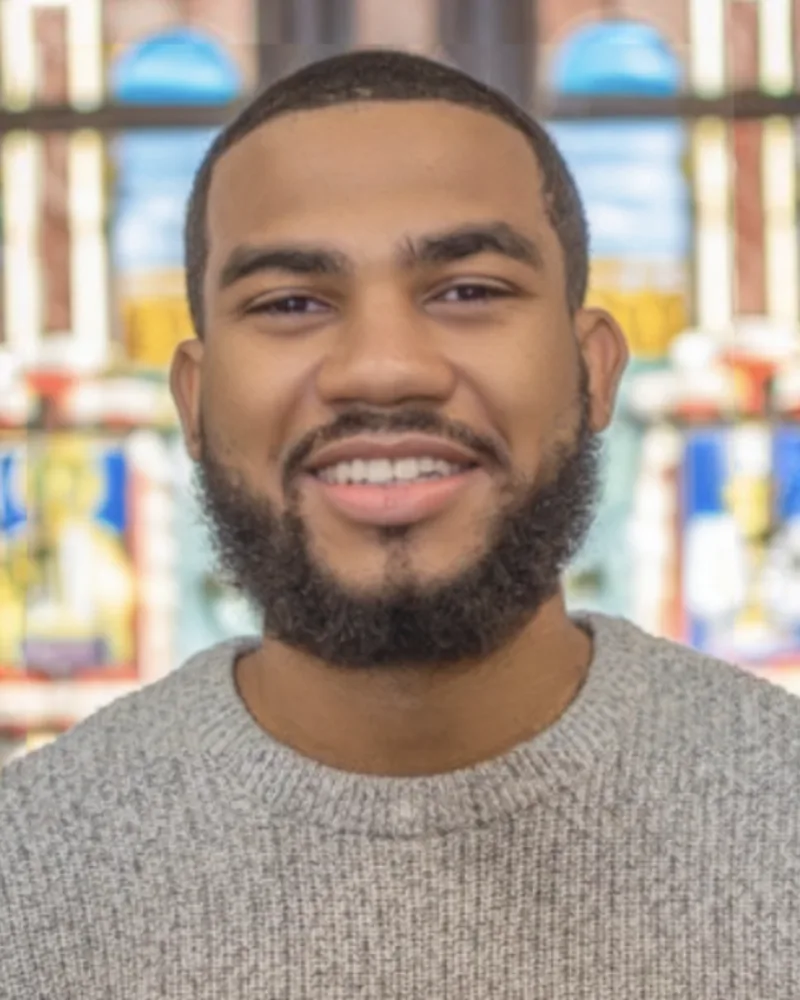
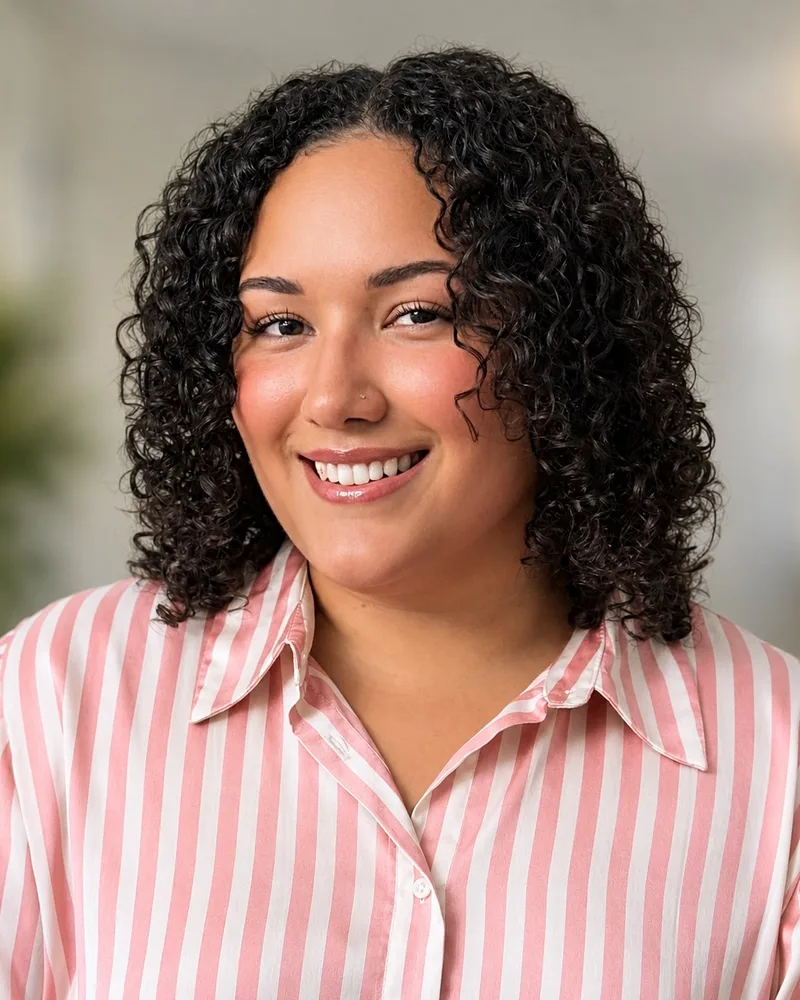
CBT is the shared backbone of the clinical team rather than one person’s specialty. Every MindView clinician works with it: Michelle Zak, Seona King, Nirja Mistry, Evelyn Rivas and Jordyn Modelevsky.
Doing this work in Rochester
Rochester has the largest concentrated student population of the upstate cities we serve, spread across several institutions rather than one: RIT enrolls 17,098, the University of Rochester 11,946, and Monroe Community College 7,847 (New York State Education Department, 2024-25, and the University of Rochester Common Data Set 2024-25). The city’s median age is 33.7 and 31.2% of residents are aged 18 to 34 (US Census Bureau, American Community Survey 2020-2024 five-year estimates).
There is one number here that changes a practical recommendation rather than just describing the city. 86.4% of Rochester households have a broadband subscription, the lowest share of the New York cities we serve, several points below Queens at 92.3% (ACS 2020-2024, which measures what households actually subscribe to, not what is available at the address). Most people are fine. A phone call is a workable fallback for a session and it is better to plan that than improvise it. After that the picture widens to the rest of your life, nothing in it compulsory, and a treatment plan gets written jointly, in plain language.
Distance is not the barrier here. Mean travel time to work is 19.3 minutes and only 3.6% of commuters travel an hour or more (ACS 2020-2024). What constrains access is appointment availability rather than geography, which is the gap a telehealth practice licensed statewide is positioned to fill.
How long it takes, and how you will know
A typical course runs roughly 12 to 20 sessions depending on your goals. That is a range and not a promise.
You set a 0 to 10 baseline at intake, and monthly you and your therapist review standardized measures against it. Moving means continue. Flat after a fair trial means something in the plan changes.
Insurance
CBT is billed under the standard psychotherapy codes. There is no separate CBT rate.
We are in-network with UnitedHealthcare, Aetna, Medicare, Oscar Health, Meritain Health, Oxford Health Plans, Cigna, Optum, Highmark BCBS WNY, Univera Healthcare and MagnaCare. We check your plan before the first session and tell you what you will pay.
Questions people ask before booking
My internet drops sometimes. Will that ruin a session? It is worth flagging when you book. A dropped connection is an interruption rather than a disaster, and a phone fallback can be agreed in advance so a session is not lost to it.
Is CBT just positive thinking? No. You are asked to test what you already believe rather than to believe something more pleasant.
I am a student. Does that change anything? Only practically. If you leave New York during breaks, sessions have to pause or be scheduled around it, because your therapist is licensed here and you need to be in the state.
Can I do CBT alongside medication? Yes, and the combination is well supported for moderate to severe anxiety and depression. MindView clinicians do not prescribe, but your therapist can coordinate with your prescriber.
How soon can I start? We are accepting new clients and respond within one business day.
If you are in crisis
If you are having thoughts of harming yourself, do not wait on a booking form. Call or text 988, any hour, free and confidential. If you are in immediate danger, call 911.
How to get started
Book online at choose your therapist or call (646) 493-4007. We are accepting new clients and respond within one business day.