










CBT is the most requested therapy by name and one of the least consistently delivered, because the label covers both a specific protocol and a general influence on how a therapist thinks. If you have already tried therapy that was pleasant and went nowhere, the difference between those two is probably the thing you ran into.
MindView Therapy provides CBT for adults in Fort Wayne, Indiana by secure video, in-network with Anthem Blue Cross and Blue Shield, Cigna and Aetna.
What CBT is
Thoughts, feelings and behavior operate as one loop, and the loop is worked from the reachable side. A feeling cannot be changed by instruction. A conclusion can be examined and a behavior can be altered, and feelings shift when those do.
What makes it a protocol is that the conclusions are put to the test rather than argued about. Anxiety and low mood persist on predictions that never get checked, and the behavior they cause, avoiding, withdrawing, over-preparing, is precisely what prevents the checking. CBT stages the test on purpose and in increments you can actually tolerate.
What a session involves
Roughly 50 minutes with a consistent structure: review the practice, take one situation apart, learn or sharpen a skill, and decide what you will do before next week.
The situation is always a specific one, an actual Tuesday rather than a general theme. You separate the event from the conclusion you reached about it, and then look at what that conclusion caused you to do. The tools are named in your treatment plan: thought records, cognitive restructuring, behavioral activation, graded exposure.
Practice between sessions is the engine. It is usually one small task of about ten minutes, and it matters far more than its size suggests, because an hour a week is a small share of a life.
What CBT is used for
The research is strongest for anxiety and depression, where CBT is a first-line psychological treatment in most guidelines, with well-supported protocols for panic, social anxiety, phobias, sleep problems and perfectionism.
It is not the answer to everything, and structure is the active ingredient rather than a style. Wanting to understand the origin of a pattern points toward psychodynamic therapy instead. Read the full method on our cognitive behavioral therapy page.
Who you will work with
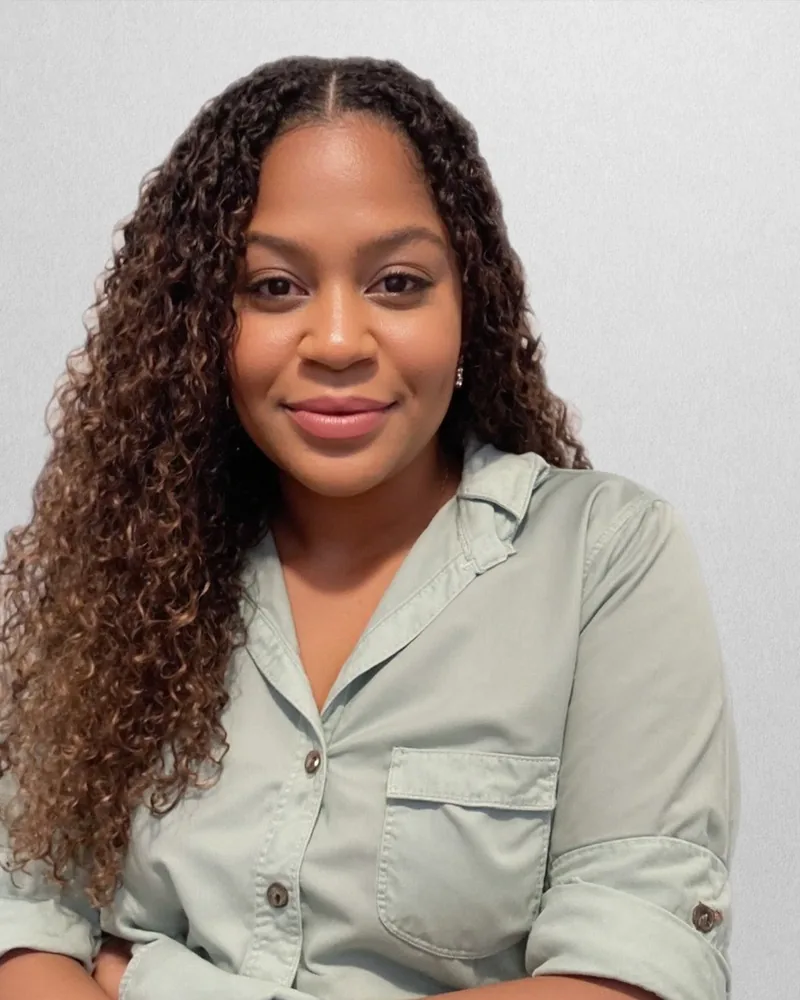
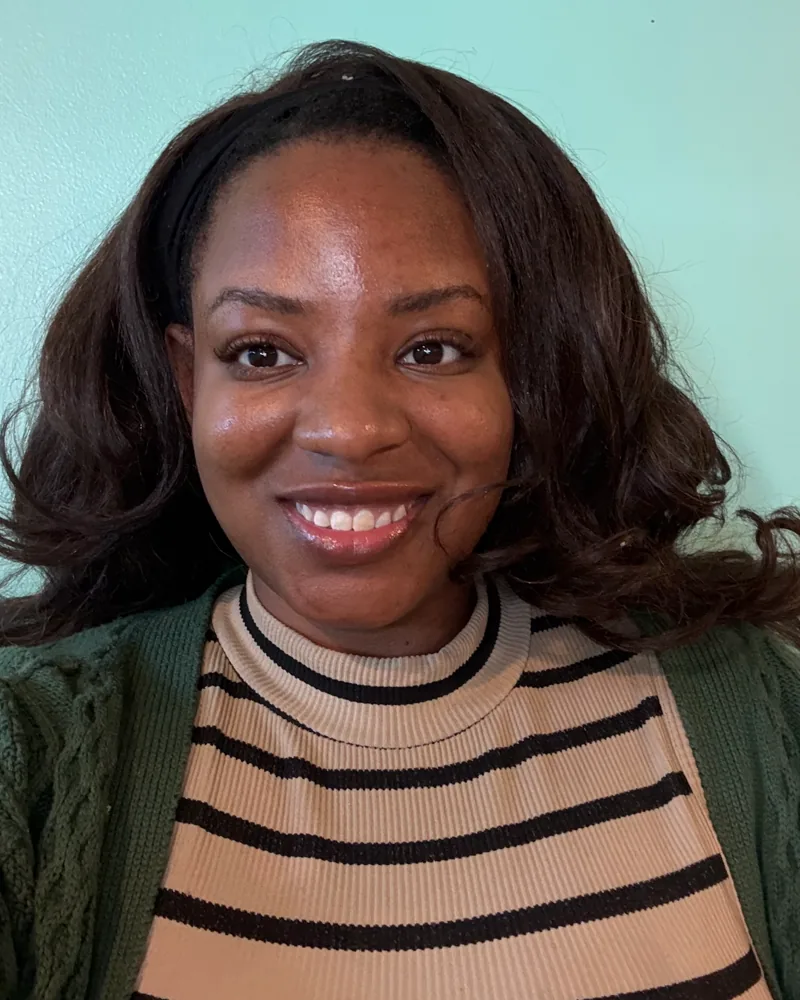
Indiana clients work with our Indiana-licensed therapist, who is licensed in Indiana and sees Fort Wayne clients by telehealth.
Worth saying clearly on a page named after one method: the practice is not single-modality. CBT supplies the structure, while mindfulness-based and person-centered work is used where it fits the goal. What you get is matched to the problem rather than to a manual.
Doing this work in Fort Wayne
Fort Wayne has the lowest remote-work rate of the larger Indiana cities we serve. 8.2% of workers here work from home, against 12.3% in Indianapolis and 25.0% in Carmel (US Census Bureau, American Community Survey 2019-2023 five-year estimates). Most people in this city are physically at a workplace during business hours.
That single fact shapes therapy access more than anything else about the city. When the working day is spent on site, appointments compress into early mornings, lunch breaks and evenings, which is exactly where in-office capacity is scarcest and waitlists form. A video session removes the travel from both ends of that window, which often converts an impossible slot into a usable one. The commute itself is not long here at an average of 21.4 minutes, but a 21-minute drive each way plus a session is still most of an evening once it is added to a full workday.
The city has a real student population, with Purdue Fort Wayne enrolling 6,284 and Ivy Tech Fort Wayne 5,620 (institutional and Indiana Commission for Higher Education reports, fall 2024). The median age is 35.0 and 22.9% of residents are aged 20 to 34 (ACS 2019-2023). 90.5% of households hold a broadband subscription (ACS 2019-2023, a measure of what households subscribe to rather than what is available at the address). More on our Carmel location, the nearest office.
How long it takes, and how you will know
A typical course is roughly 12 to 20 sessions depending on your goals. That is a range rather than a commitment, and long-standing problems take longer.
You set a 0 to 10 baseline at intake, and monthly you and your therapist review standardized measures against it. Moving means continue. Flat after a fair trial means the plan or the target changes. Without that, a course of therapy that is not working can continue for a year on mutual goodwill.
Insurance
CBT is billed under the standard psychotherapy codes, so there is no separate CBT rate.
In Indiana we are in-network with Anthem Blue Cross and Blue Shield, Cigna and Aetna. We check your plan before the first session and tell you what you will pay.
Questions people ask before booking
Is CBT just positive thinking? No. You are not asked to think more positively. You are asked to test conclusions you already hold, and some survive the test, at which point the work becomes practical problem-solving.
Does video work as well? The evidence on video-delivered CBT is extensive and shows comparable outcomes for anxiety and depression. The format transfers because the method is an agenda, a skill and a practice task.
I work shifts. Can this fit? That is the most common scheduling question here and the honest answer is that it depends on availability, but a video appointment removes travel from both ends, which is usually what makes an awkward window workable.
Can I combine CBT with medication? Yes. The combination is common and well supported for moderate to severe anxiety and depression. MindView clinicians do not prescribe, but your therapist can coordinate with your prescriber.
What if I tried CBT before and it did not help? Say so at intake and be specific about what happened. A rigid delivery of the protocol is a common and fixable problem, and knowing what went wrong changes how the plan gets built.
If you are in crisis
If you are having thoughts of harming yourself, do not wait on a booking form. Call or text 988, any hour, free and confidential. If you are in immediate danger, call 911.
How to get started
Book online at choose your therapist or call (646) 493-4007. We see adults (18+) and respond within one business day.