








Two things usually bring someone to a page like this. Either therapy has never been tried and the idea of an open-ended conversation sounds useless, or it has been tried and turned out to be exactly that. CBT is the standard answer to both, because it has a defined shape and a way of telling whether it is working.
MindView Therapy provides CBT for adults in Evansville, Indiana by secure video, in-network with Anthem Blue Cross and Blue Shield, Cigna and Aetna.
What CBT is
The model is a loop between what you think, what you feel and what you do. Feelings are not directly steerable. Conclusions and actions are, and moving those moves the feeling with them.
The protocol part is the testing. What sustains anxiety and low mood is a set of predictions that never get examined, kept safe by the very behavior they produce: avoiding, withdrawing, over-preparing. Each of those guarantees the prediction is never disproved. CBT arranges the disproof deliberately, in steps sized so you can actually complete them.
What a session involves
About 50 minutes, with the same structure each time. Review what you practiced, take one real situation apart, learn or sharpen a skill, and agree what you will do next.
Taking a situation apart means a specific moment, not a subject. You pull the event away from the conclusion you drew, then trace what that conclusion made you do. The methods have names and appear in your treatment plan: thought records, cognitive restructuring, behavioral activation, graded exposure.
The between-session practice carries most of the change. It is small, usually ten minutes, and if it is not getting done that is information worth bringing rather than a reason to stop coming.
What CBT is used for
The evidence is deepest for anxiety and depression, where CBT is a first-line psychological treatment in most clinical guidelines. There are specific protocols for panic, social anxiety, phobias, sleep problems and perfectionism.
It is not right for every presentation. If the goal is understanding where something started rather than changing what it does now, psychodynamic therapy is the more honest recommendation. Read the full method on our cognitive behavioral therapy page.
Who you will work with
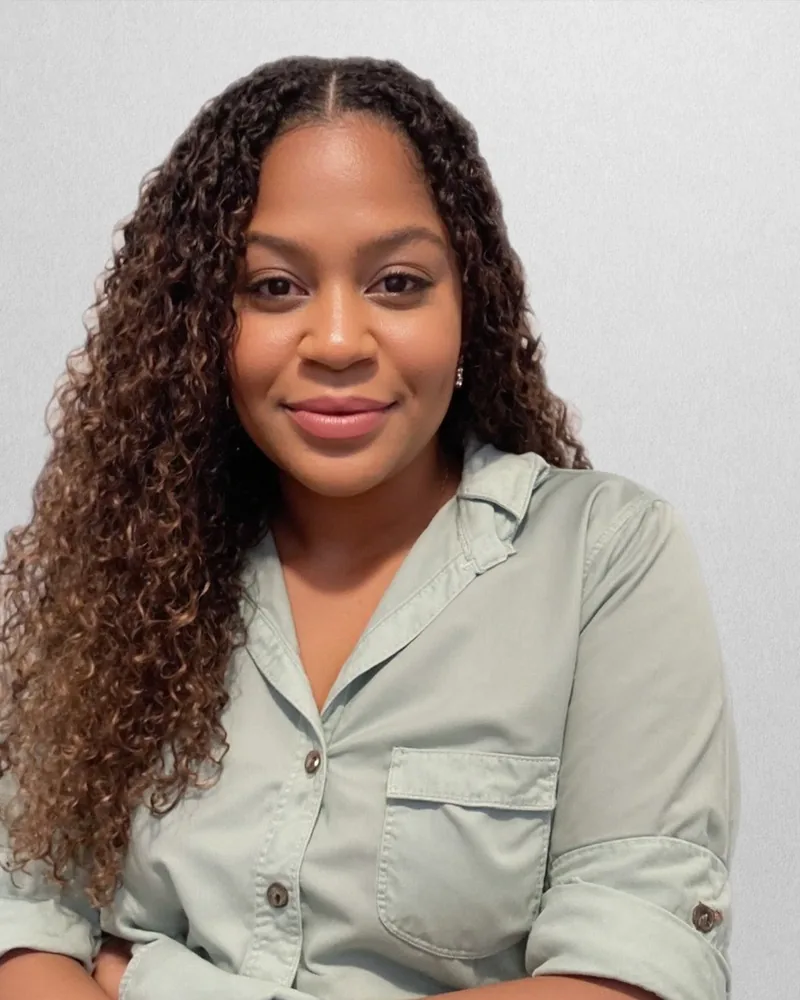
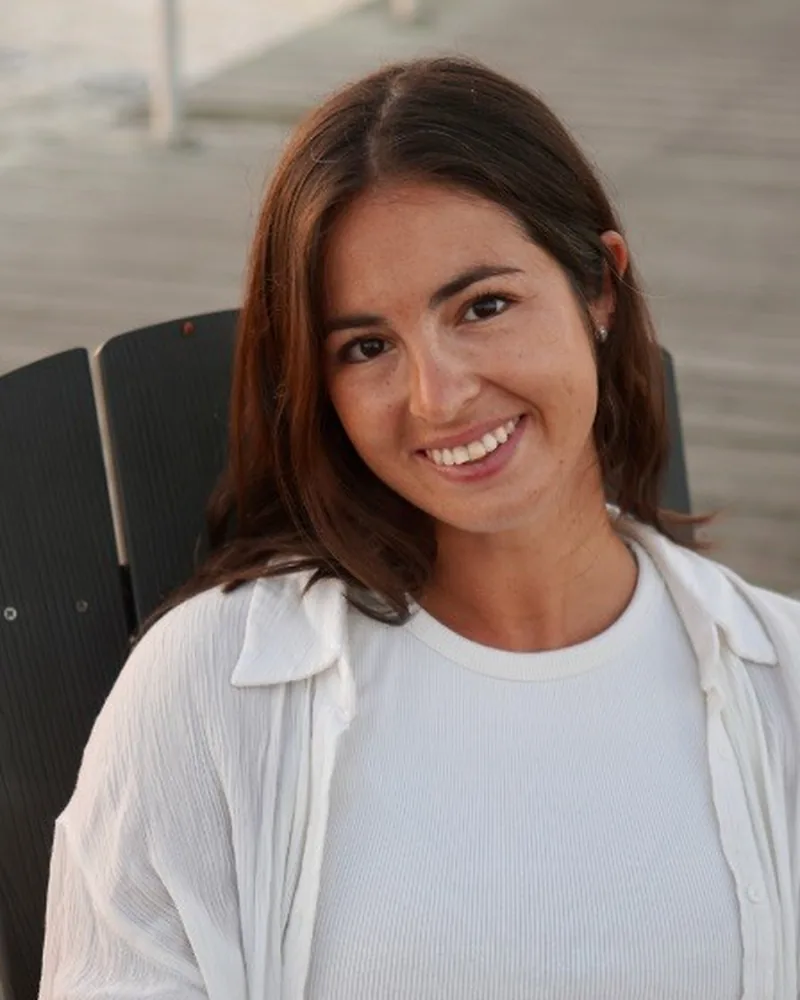
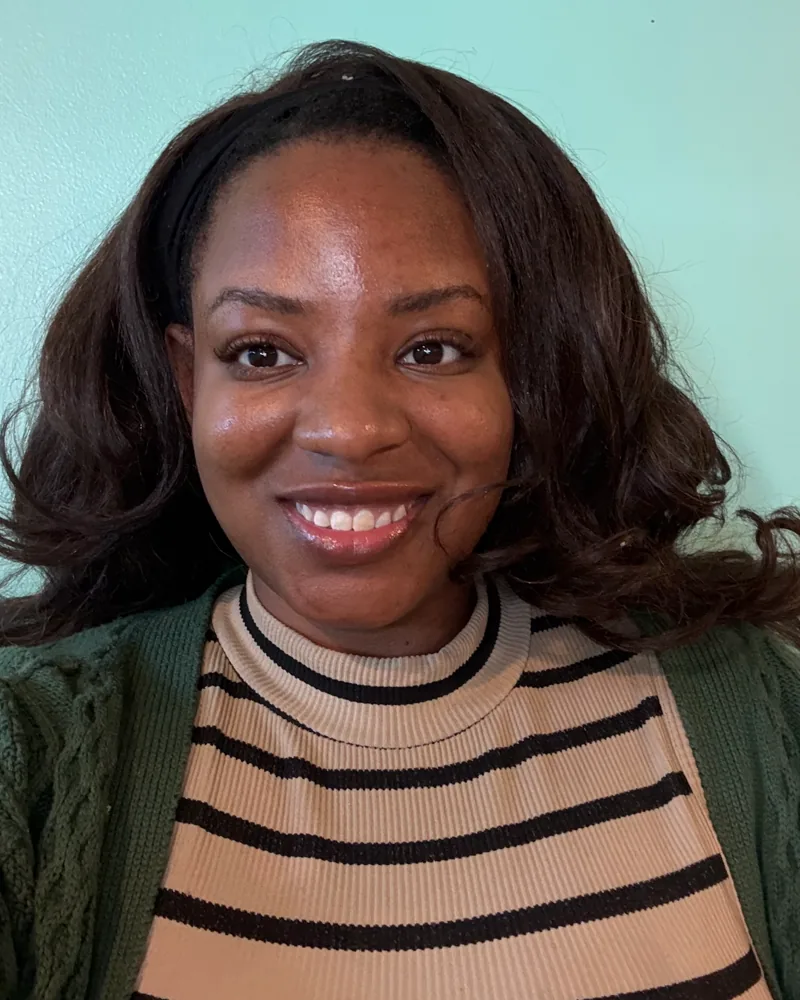
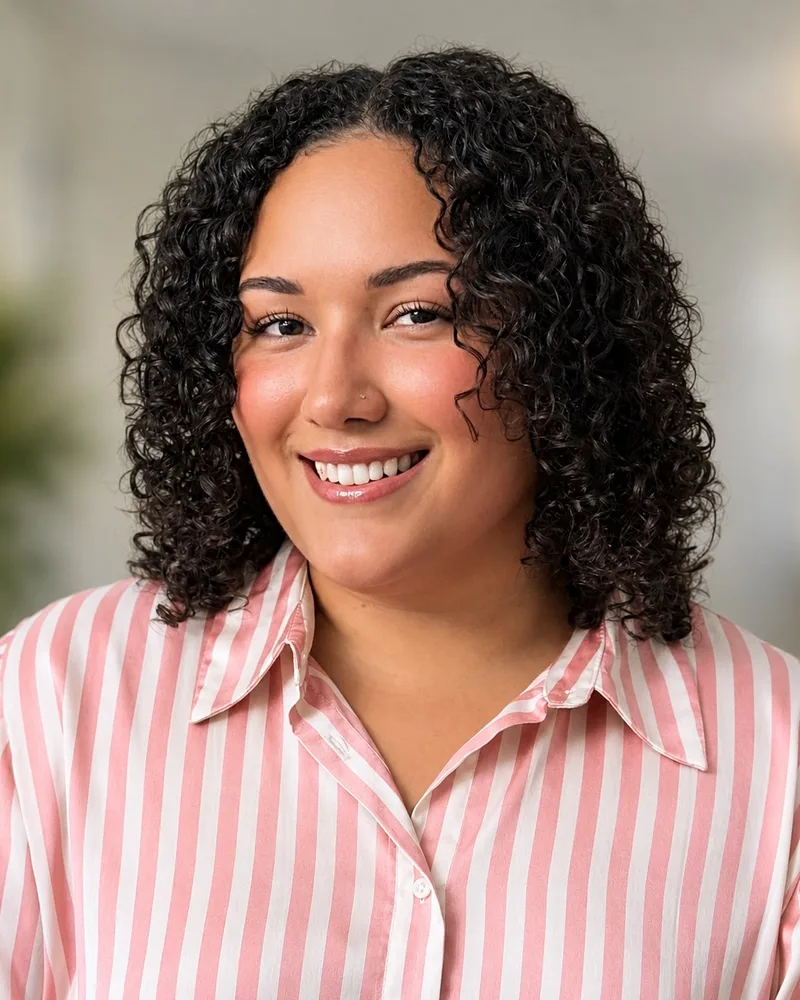
Indiana clients work with our Indiana-licensed therapist, who is licensed in Indiana and sees Evansville clients by telehealth.
Because this page is named for a single method, one clarification: the practice is not built around one technique. CBT gives the work its structure, and mindfulness-based and person-centered approaches are used where they serve the goal.
Doing this work in Evansville
Evansville is the clearest case in Indiana for why a video appointment matters, and the reason is a number that looks unremarkable until you sit with it.
5.2% of Evansville workers work from home, the lowest rate of the Indiana cities we serve and roughly a fifth of Carmel’s 25.0% (US Census Bureau, American Community Survey 2019-2023 five-year estimates). Almost everyone here is physically at work during the day. Combine that with the shortest commute of the group at 18.7 minutes, and you get a city where the working day is compact but immovable: there is no hybrid Wednesday to hide an appointment inside. Therapy has to fit before work, at lunch, or after, and those are precisely the hours that fill first everywhere.
Evansville is also the oldest of the Indiana cities we cover, with a median age of 38.1 and 22.2% of residents aged 20 to 34 (ACS 2019-2023). Its in-city student population is modest, with Ivy Tech Evansville at 3,034 and the University of Evansville at about 2,553 (Indiana Commission for Higher Education and federal reporting, fall 2024). The University of Southern Indiana, often counted as local, sits outside the city limits in unincorporated Vanderburgh County.
Household connectivity is the one figure worth watching: 88.8% of households have a broadband subscription, the lowest of the five Indiana cities we serve (ACS 2019-2023, measuring what households subscribe to rather than what is available at the address). If your connection is unreliable, say so when you book, because it is worth planning around rather than discovering mid-session. More on our Carmel location, the nearest office.
How long it takes, and how you will know
A typical course runs roughly 12 to 20 sessions depending on your goals. That is a range and not a promise.
You set a 0 to 10 baseline at intake, and each month you and your therapist review standardized measures against it. Moving means keep going. Flat after a fair trial means the plan changes. The number is there to make that a decision rather than a feeling.
Insurance
CBT is billed under the standard psychotherapy codes. There is no separate CBT rate.
In Indiana we are in-network with Anthem Blue Cross and Blue Shield, Cigna and Aetna. We check your plan before the first session and tell you what you will pay.
Questions people ask before booking
Is CBT just positive thinking? No. It does not ask for optimism. It asks you to test what you already believe, and some beliefs turn out to be correct, at which point the work becomes solving the actual problem.
Does therapy by video actually work? The research on video-delivered CBT is extensive and shows comparable outcomes for anxiety and depression. The structure of the method is what transfers so well.
My internet is not great. Is that a problem? Usually manageable, and worth flagging at booking so it can be planned around rather than handled mid-session.
Can I do CBT while taking medication? Yes, and that pairing is well supported for moderate to severe anxiety and depression. MindView clinicians do not prescribe, but your therapist can coordinate with your prescriber.
Do I need a diagnosis to start? No. You do not need one to reach out, and part of the first session is working out what is actually going on.
If you are in crisis
If you are having thoughts of harming yourself, do not wait on a booking form. Call or text 988, any hour, free and confidential. If you are in immediate danger, call 911.
How to get started
Book online at choose your therapist or call (646) 493-4007. We see adults (18+) and respond within one business day.