










Manhattan is the easiest place in America to find a therapist and one of the harder places to keep seeing one, because the same calendar that funds the therapy keeps canceling it.
MindView Therapy provides cognitive behavioral therapy for adults in Manhattan, by telehealth throughout New York. Our nearest office is in Jamaica, Queens.
What makes it CBT and not just therapy
CBT is defined by its machinery. An agenda runs each session: review of the week’s practice, one situation examined closely, one named skill taught or sharpened, one task agreed for the week ahead. The tools carry names, thought records, cognitive restructuring, behavioral activation, graded exposure, because named tools can be evaluated. And the change happens mostly between sessions, in the practiced hours rather than the talked one.
It is among the most heavily studied psychotherapies for anxiety and depression and a first-line treatment for both. Not a cure-all, and we will not describe it as one.
Course length and what gets measured
A typical course runs roughly 12 to 20 sessions depending on goals, a range and not a promise. Intake sets a 0 to 10 baseline, standardized measures like standardized measures get reviewed monthly with you, and a flat trendline after a fair trial changes the plan rather than extending it.
In a market this saturated, that last part is the differentiator. Therapy in Manhattan largely runs on vibes and reputation; a trendline replaces both. You do not have to wonder whether it is working, because you and your therapist are both looking at whether it is.
What CBT treats
Most courses here are built for anxiety or depression; the same structure serves OCD with exposure work, panic, social anxiety, stress and burnout. Where a different modality fits better, that gets said at intake rather than discovered ten sessions in. We practice several, and matching method to goal is part of the job.
CBT across Manhattan
Access was never Manhattan’s problem: mean travel to work is 31.2 minutes and only 10.0% of commuters spend an hour or more (US Census Bureau, ACS 2020-2024 five-year estimates), the shortest trips of the boroughs we serve, in the most therapist-dense square miles in the country. What kills therapy here is the cancellation economy. A 6:30 deal call beats a 6:30 appointment every time the appointment carries a crosstown trip, so the design answer is a trip cost of zero: a fixed video slot, joined from wherever the day ends, with a plan built at intake to survive reschedules.
One local failure mode deserves honesty: therapy as performance. Arrive prepared, narrate the patterns beautifully, impress the therapist, change nothing. CBT’s structure resists it, because the between-session task either happened or it did not, and the measures move or they do not. Eloquence gets no partial credit, which for a certain kind of client is precisely the relief. More at our Manhattan page.
Who practices it here
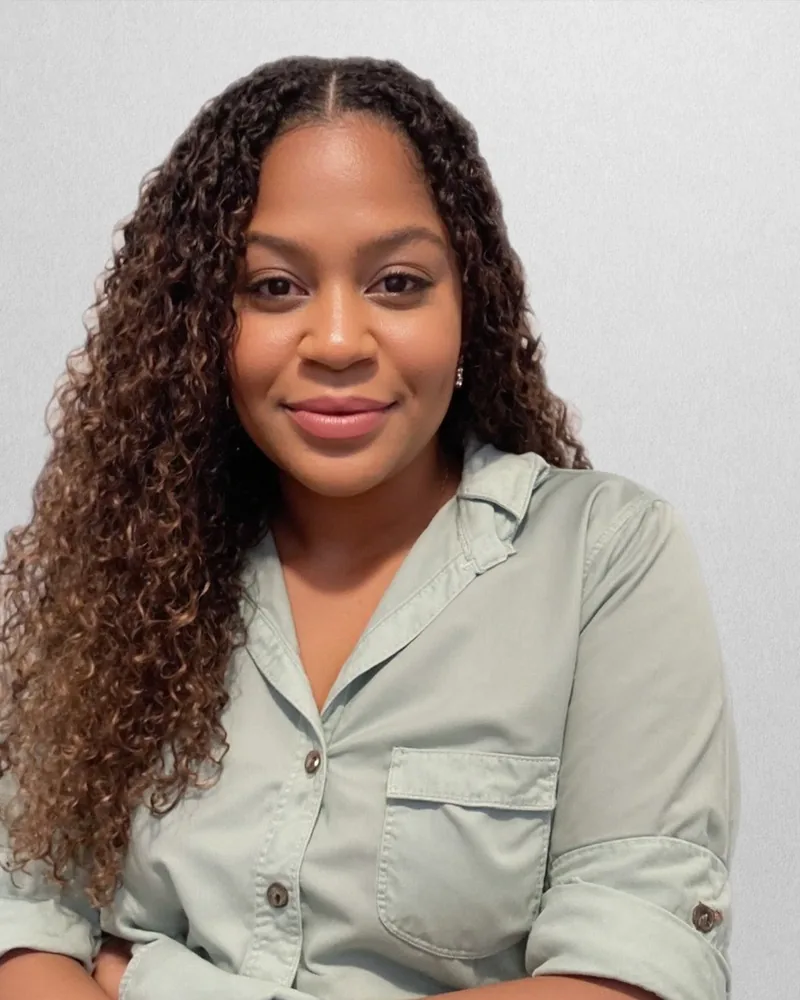
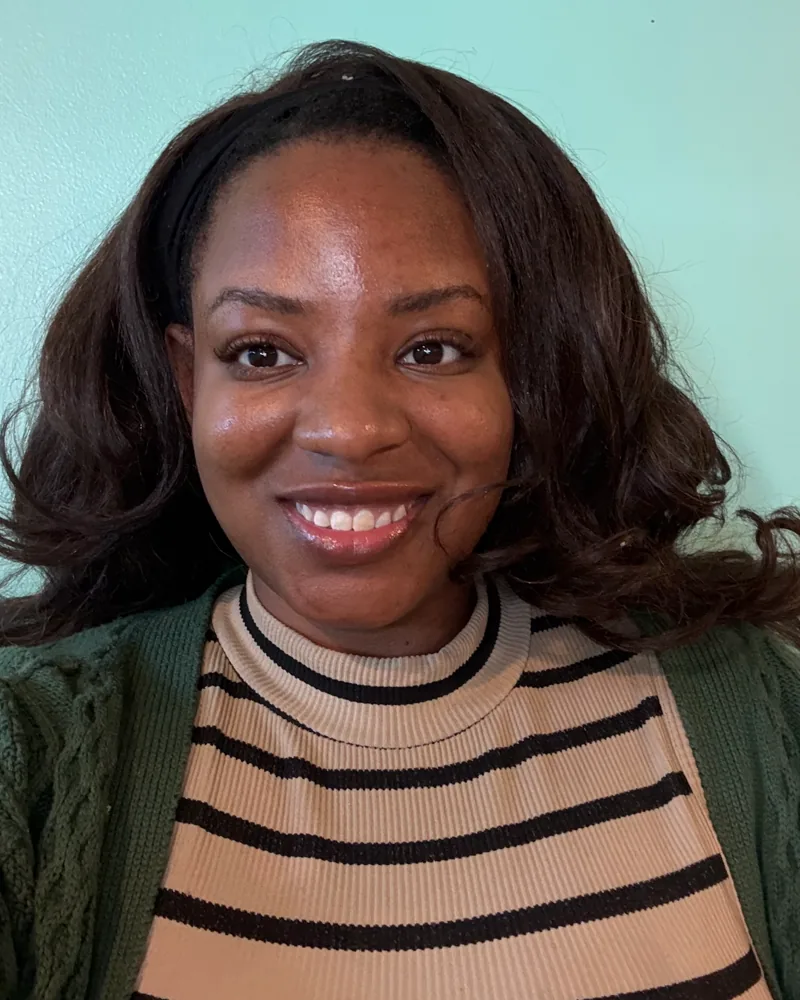
CBT is the whole team’s shared foundation: Michelle Zak, Seona King, Nirja Mistry, Evelyn Rivas and Jordyn Modelevsky. A fit problem gets solved by changing therapist, never by abandoning the method mid-course.
Insurance
CBT is billed under standard psychotherapy codes. We are in-network with UnitedHealthcare, Aetna, Medicare, Oscar Health, Meritain Health, Oxford Health Plans, Cigna, Optum, Highmark BCBS WNY, Univera Healthcare and MagnaCare. We check your plan before the first session and tell you what you will pay.
Questions people ask before booking
I have done years of therapy and can narrate my patterns beautifully. Why would CBT be different? Because the unit of progress is what changed outside the room, checked monthly on standardized measures. Narration is welcome; it just is not the metric.
My schedule blows up weekly. What happens to the course? A fixed slot, zero travel, and a plan built at intake to survive reschedules. Consistency here is a design problem, and it gets designed for.
Is CBT just positive thinking? No. You test conclusions you already hold against evidence. The accurate ones get problem-solving, not a pep talk.
Are you actually in-network? Most Manhattan CBT practices are not. Yes, with the New York plans listed above, and benefits are verified before the first session.
Can I do sessions from my office? Yes, with real privacy. Anywhere in New York State works during the session.
If you are in crisis
We are not a crisis service. If you are having thoughts of harming yourself, call or text 988, any hour, free and confidential. If you are in immediate danger, call 911.
How to get started
Read more about how CBT works, then book at choose your therapist or call (646) 493-4007. We respond within one business day.