










There is a specific complaint that brings people to a CBT page, and it is rarely “I want cognitive behavioral therapy.” It is closer to: I have talked to someone for a year, I liked them, and nothing outside the room is different. CBT is the usual answer to that complaint, and it is worth knowing exactly what makes it different before you book anyone in Buffalo, including us.
MindView Therapy provides CBT for adults in Buffalo, with our office at 369 Washington Street and sessions by telehealth throughout New York.
The mechanism, stated plainly
CBT rests on a single observation: what you think, how you feel, and what you do are wired together, and the loop can be entered from any of the three. Feelings are the hardest to change directly. Thoughts and behavior are reachable. So CBT works on the reachable ends and lets the feeling follow.
The part that makes it a protocol rather than a philosophy is that the loop gets tested rather than discussed. Anxiety and low mood both survive on conclusions that never get checked, because the behavior they produce, avoiding, withdrawing, over-preparing, prevents the check from ever running. CBT runs it on purpose, in small steps, and sees what actually happens.
What a session involves
Roughly 50 minutes with a shape. Review what you practiced. Take one real situation apart. Learn or sharpen a skill. Agree what you will do before next time.
“Taking a situation apart” is the core move. You pick an actual moment, Tuesday at 3pm, the email, the drive home, and separate what happened from what you concluded about it, then look at what that conclusion made you do next. The tools have names and your treatment plan will name them: thought records, cognitive restructuring, behavioral activation, graded exposure.
Between-session practice is where most of the work happens. An hour a week is a small fraction of your life. What changes things is the other hundred and sixty-seven.
What CBT is used for
The evidence base is deepest for anxiety and depression, where CBT is a first-line psychological treatment in most clinical guidelines. There are dedicated protocols with strong support for panic, social anxiety, phobias, sleep problems and perfectionism.
It is not the right instrument for everything, and a therapist who says otherwise is overselling. If you mainly want to understand where a pattern originated, psychodynamic therapy answers that question more directly. If the emotions themselves arrive too fast to work with, skills-based work may need to come first. Read the full method on our cognitive behavioral therapy page.
Who practices it here
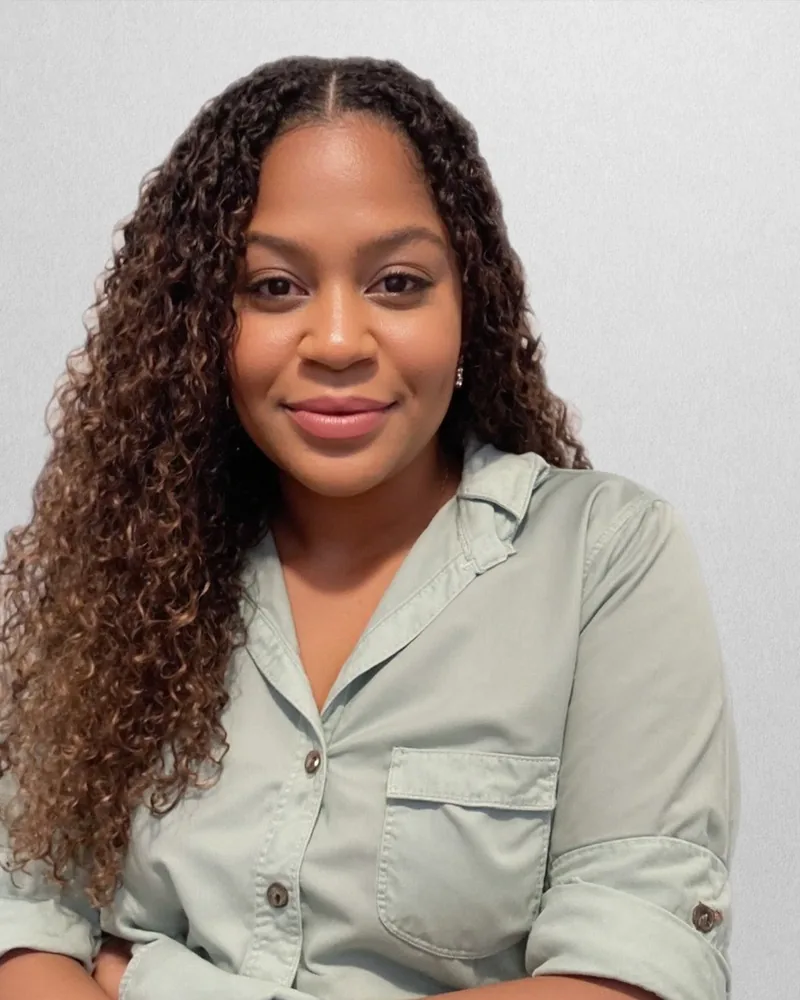
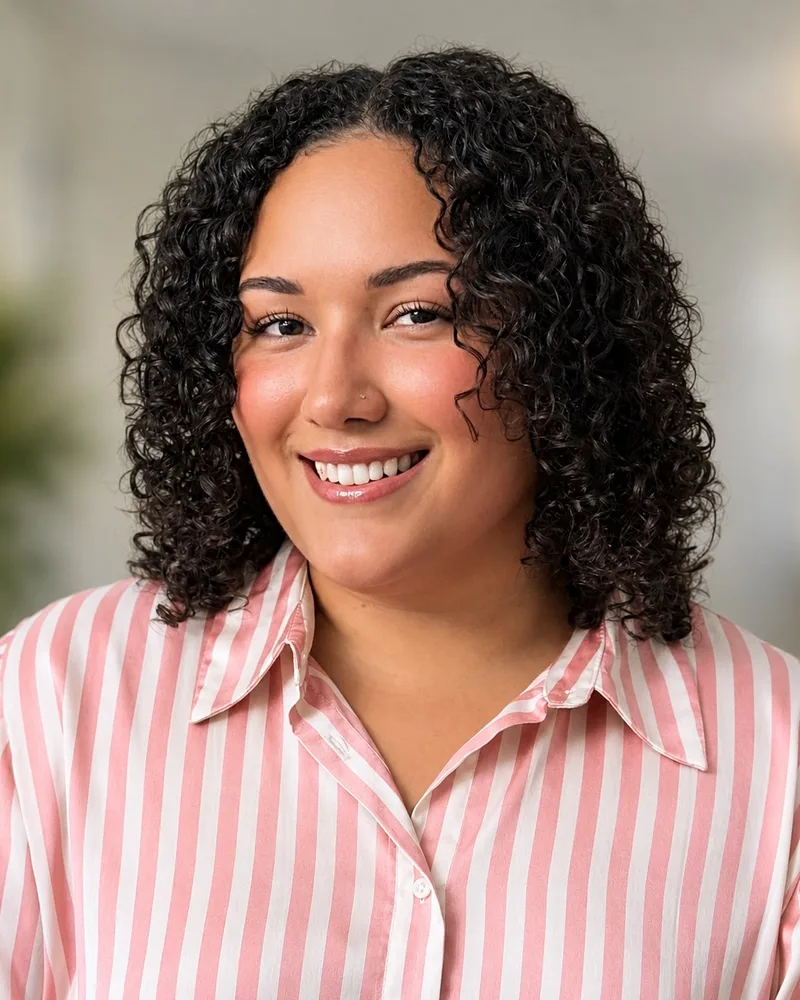
CBT is the shared backbone across our clinical team rather than one person’s specialty. Every MindView clinician works with it: Michelle Zak, Seona King, Nirja Mistry, Evelyn Rivas and Jordyn Modelevsky.
That matters practically. You are not waiting for the one clinician who runs the protocol, and if your therapist is not the right fit you are not choosing between switching and keeping the method.
Doing this work in Buffalo
Two things about this city change how a structured therapy actually runs here.
Buffalo is a genuinely short-commute city. The mean travel time to work is 19.9 minutes and only 3.9% of commuters travel an hour or more, less than an eighth of the share in Queens (US Census Bureau, American Community Survey 2020-2024 five-year estimates). That sounds like an argument for coming in, and for some people it is. But the same compactness means an appointment is easy to schedule and easy to lose to one bad weather day, and a course of CBT depends on continuity more than most therapy does. A protocol with an agenda and a practice assignment tolerates a missed week badly. Telehealth is what keeps a 14-session course to 14 consecutive weeks.
Buffalo also skews young. The median age is 34.3 and 28.7% of residents are between 18 and 34, a distribution shaped in part by the University at Buffalo’s 31,853 students and Buffalo State’s 6,188 (ACS 2020-2024; NYSED enrollment, 2024-25). That is the age band where a first serious course of therapy most often happens, and it is also the band most comfortable doing it over video.
The second is that CBT’s between-session practice is done in your actual environment, not in an office. The kitchen where the dread starts, the desk with the unanswered messages, the phone you are avoiding are all where you live. Clients connect from Elmwood Village, Allentown, North Buffalo, Downtown, Amherst, Williamsville, Cheektowaga and Tonawanda. More on our Buffalo location.
How long it takes, and how you will know
A typical course runs roughly 12 to 20 sessions depending on your goals. That is a range and not a promise; long-standing difficulties take longer.
Because the method is goal-directed, it can be checked. You set a 0 to 10 baseline at intake, and monthly you and your therapist review standardized measures against it. Moving means continue. Flat after a fair trial means the plan changes. The number exists to make that decision possible, because without it an unhelpful course can run for a year on mutual politeness.
Insurance
CBT is billed under the standard psychotherapy codes. There is no separate CBT rate.
We are in-network with UnitedHealthcare, Aetna, Medicare, Oscar Health, Meritain Health, Oxford Health Plans, Cigna, Optum, Highmark BCBS WNY, Univera Healthcare and MagnaCare. We check your plan before the first session and tell you what you will pay. Over a 12 to 20 session course, the difference between a copay and a private rate adds up, so it is worth confirming first.
Questions people ask before booking
Is CBT just positive thinking? No, and it would not work if it were. You are not asked to believe cheerful things. You are asked to test conclusions you already hold, and some turn out to be accurate, at which point the work becomes problem-solving instead.
I tried CBT and found it rigid. Common, and usually a delivery problem rather than a method problem. Structure is the active ingredient; a therapist reading a manual without adapting it to you is a different thing. Say it at intake.
Can I do CBT while taking medication? Yes. That combination is common and well supported. MindView clinicians do not prescribe, but your therapist can coordinate with your prescriber.
Is telehealth CBT as good as in person? The research on video-delivered CBT is extensive and shows comparable outcomes for anxiety and depression. The method transfers unusually well: an agenda, a skill and a practice task do not need a shared room.
Do I have to do homework? It is the part people quit over, so here is the honest version. It is usually one small thing, ten minutes, not an evening. And if you do not do it, say so rather than disappearing. Not doing the practice is clinical information, not a discipline problem.
If you are in crisis
If you are having thoughts of harming yourself, do not wait on a booking form. Call or text 988, any hour, free and confidential. If you are in immediate danger, call 911.
How to get started
Book online at choose your therapist or call (646) 493-4007. We are accepting new clients and respond within one business day.