
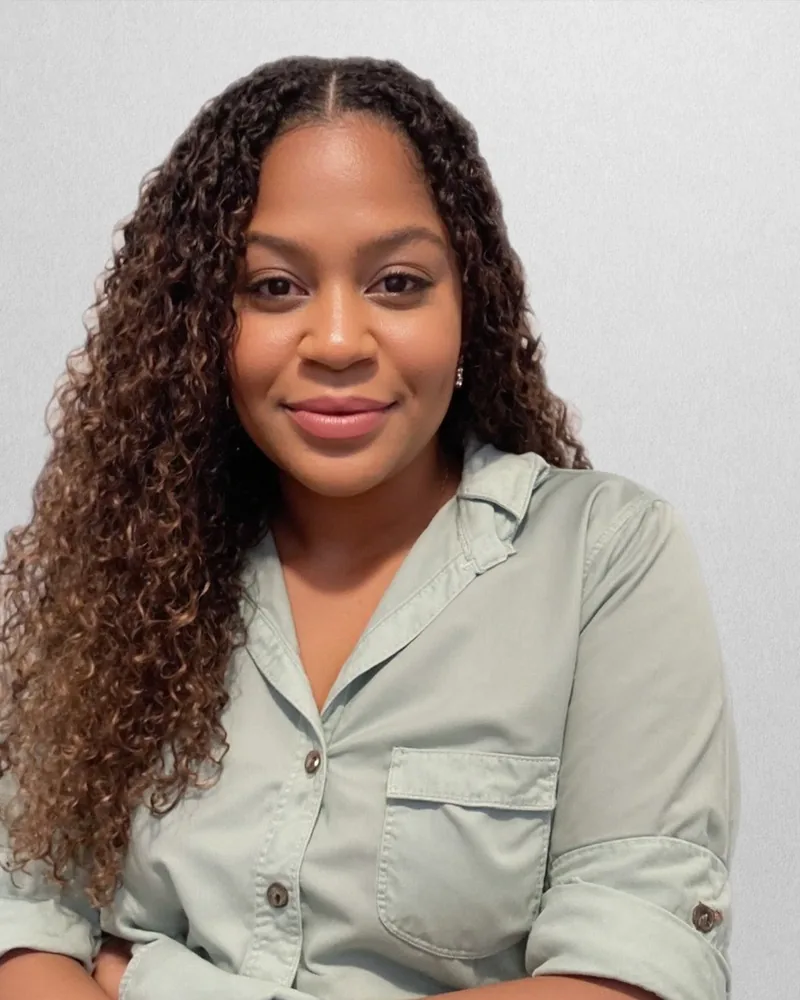


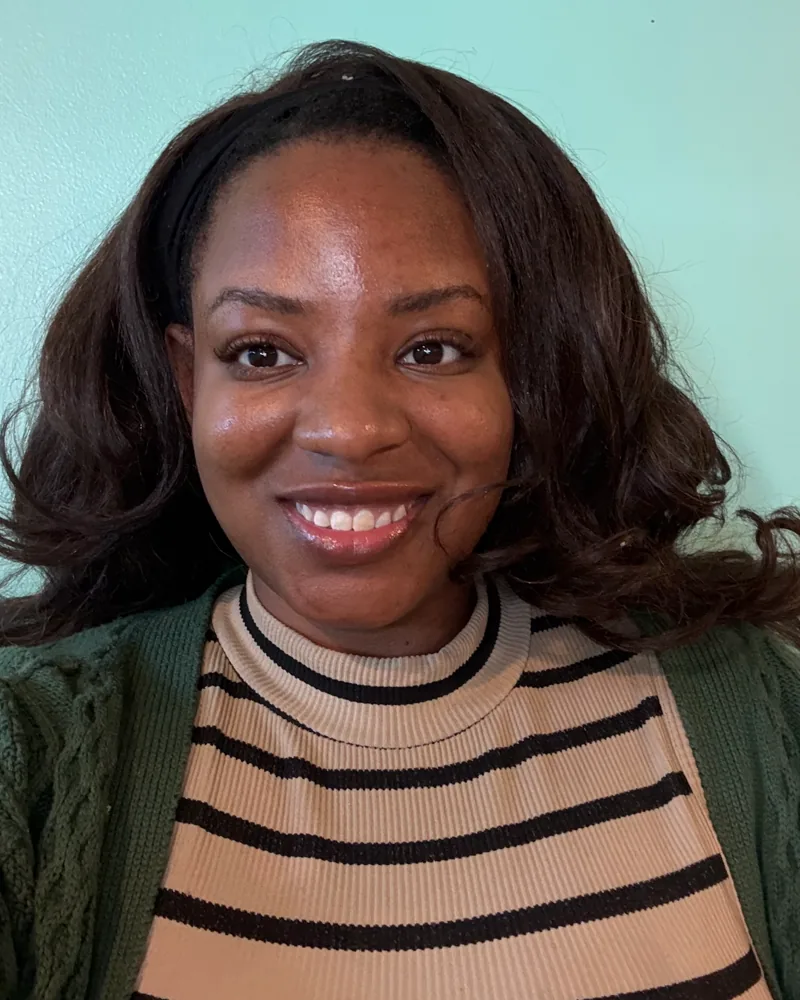




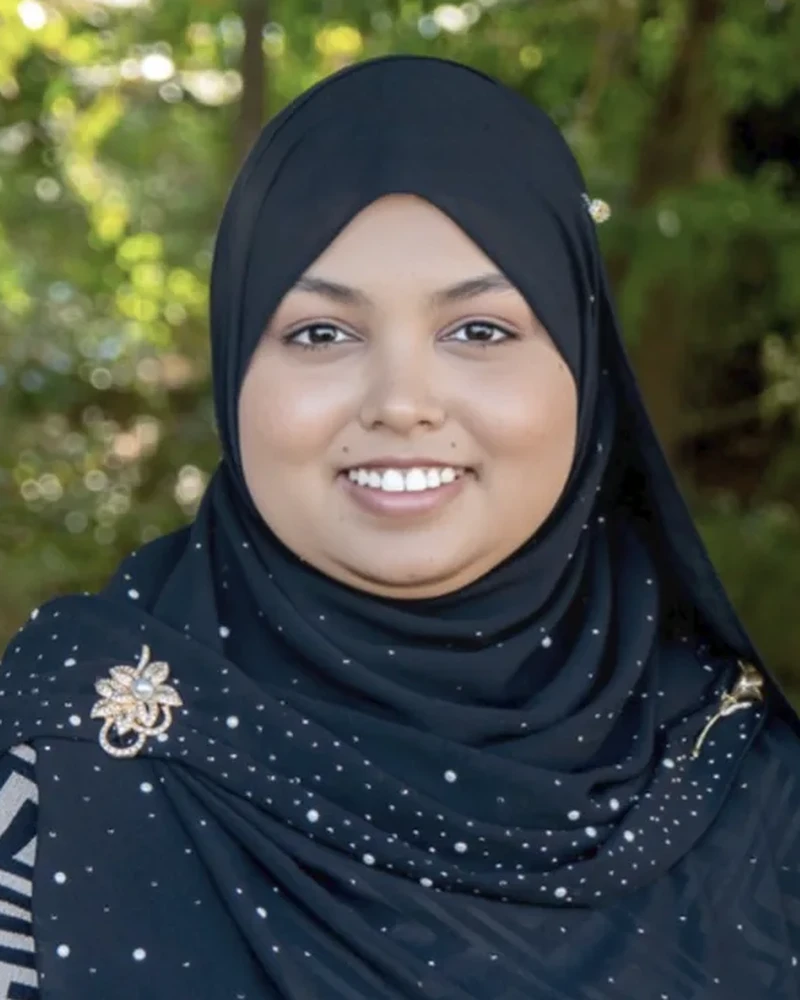

If you have already spent a first session explaining yourself to a provider, and left deciding it was not worth doing again, that experience is the thing this page is written against.
MindView Therapy provides affirming therapy for LGBTQ+ adults across Queens, online by secure video.
What affirming actually means here
It means your identity is not the thing being treated. You are not asked to account for it, justify it, or trace it back to a cause, and no part of the work proceeds from the assumption that it is a problem to be understood.
It also means you decide how much of it is on the agenda. Plenty of people come for anxiety, depression, work stress or a relationship, and their identity is context rather than content. That is a completely normal way to use therapy and it does not make you insufficiently engaged with anything.
When identity is the subject, the work is straightforward: coming out and who to, family relationships that have gone cold or conditional, gender-affirming counseling, and minority stress, which is the accumulated weight of vigilance, concealment and rejection. Minority stress is real and its effects on mood and anxiety respond to the same evidence-based tools that work for anyone else.
What we offer, and what we do not
Weekly individual therapy for adults 18 and over, by video, across New York.
We do not provide letters for gender-affirming surgery or hormone therapy. If that is what you need, you need a provider who offers assessments for that purpose, and we would rather tell you here than after you have booked and waited. Your therapist can support you alongside that process.
We do not prescribe medication, we are not a crisis service, and we do not see clients under 18.
We are also not a specialist LGBTQ+ clinic, and it is fair to want one. What we offer is affirming general practice: therapists who treat your identity as a given and who are experienced with the pressures that come with it.
What a session involves
You set the agenda. If something is not what you came for, it does not get pursued because it seemed interesting.
The work is the ordinary work of therapy, targeted at what you actually want changed: the patterns that keep repeating, the avoidance holding a problem in place, the self-talk that has been running unchallenged for years. Progress is checked with standardized measures.
We also see adults on relationship struggles, low self-esteem, life transitions, family conflict, and affirming therapy more broadly.
Doing this work in Queens
Queens is one of the most diverse places in the country, and that cuts both ways for LGBTQ+ adults in a way that is worth saying plainly.
On one side there is Jackson Heights, which has been a center of LGBTQ+ life in this borough for decades, along with long-established community organizations and one of the most visible Pride events in the city outside Manhattan. Community here is real and it is close by.
On the other side, many people in this borough are living inside tight family and cultural networks where being out is not a single decision but an ongoing calculation, renegotiated at every gathering. Only 27.1% of Queens households are a person living alone, the lowest share of the New York cities we serve (US Census Bureau, ACS 2020-2024 five-year estimates, table B11001), which means most adults here are sharing space with family rather than living independently. Being out at work and not at home, or out in English and not in your first language, is an extremely common arrangement here, and it is exhausting in a way that is easy to normalize.
That situation is not a failure to be fixed by coming out faster. Timing, safety and what you would be risking are yours to weigh, and the work supports the decision you make rather than steering it.
Privacy is the practical piece. 38.2% of Queens adults report feeling lonely (CDC PLACES, 2025 release, based on 2023 BRFSS data), and for someone not out at home, a therapist’s waiting room in your own neighborhood carries a real risk of being seen. Video removes it, and it lets you take the session from wherever you are actually private, which for some clients is a car or a workplace rather than home.
Insurance
We are in-network with UnitedHealthcare, Aetna, Medicare, Oscar Health, Meritain Health, Oxford Health Plans, Cigna, Optum, Highmark BCBS WNY, Univera Healthcare and MagnaCare. We check your plan and tell you your cost before the first session.
Questions people ask before booking
Will I have to explain what my identity means? No. You can if it is relevant to what you want to work on, and you can skip it entirely if it is not.
Can I use my chosen name? Yes. Tell us at booking. Insurance paperwork sometimes requires a legal name, and where that happens we will say so rather than let it surprise you.
Can you write a letter for surgery or hormones? No. We do not provide those assessments.
What if my therapist gets something wrong? Say so. A therapist who cannot take that correction is not doing affirming work, and you can request a different one.
How to get started
Choose a time and book at choose your therapist. It takes about 30 seconds, and you can read therapist profiles before picking one. You can also call (646) 493-4007, and you can read more about our Jamaica, Queens location. We are accepting new clients and respond within one business day.